
Results for "south"
205 films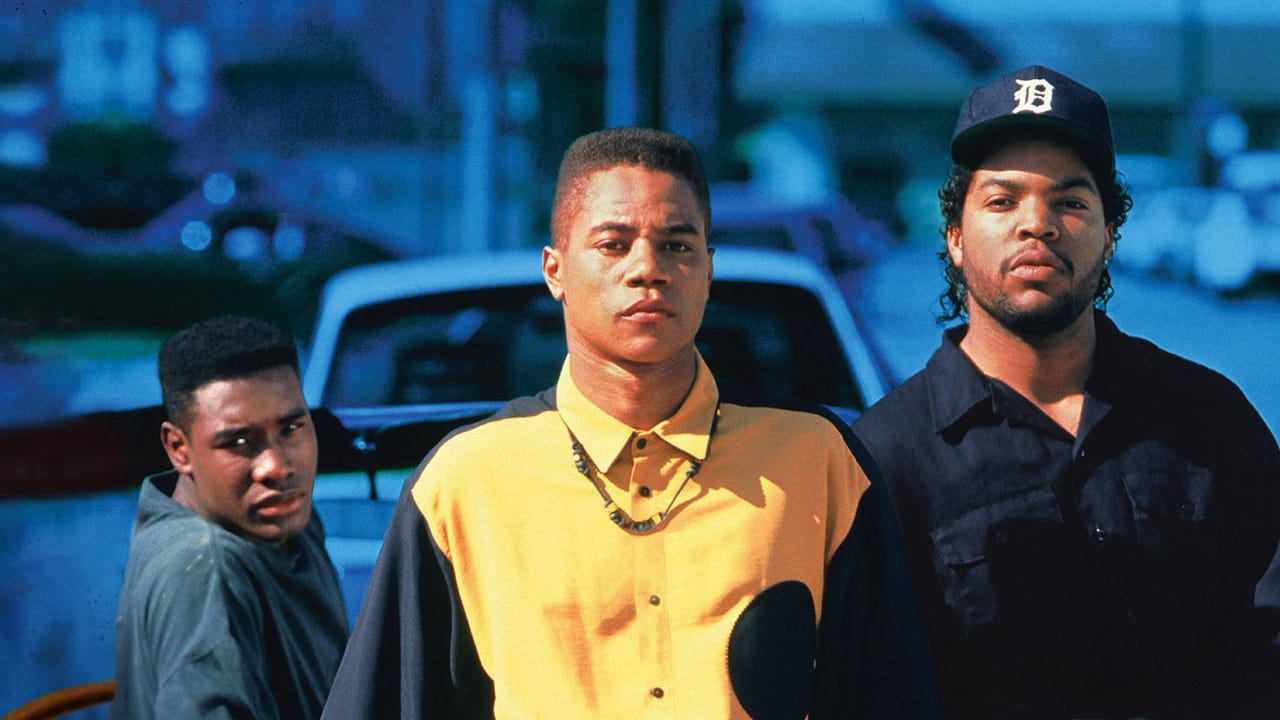
Three friends growing up in South Central Los Angeles navigate a neighborhood plagued by violence, unemployment, and crime, each responding differently to the harsh realities of street life. As tragedy strikes close to home, their friendship, choices, and hopes for a better future are put to the ultimate test.
Starring Cuba Gooding Jr., Laurence Fishburne, Ice Cube
Boyz n the Hood

"Selma," as in Alabama, the place where segregation in the South was at its worst, leading to a march that ended in violence, forcing a famous statement by President Lyndon B. Johnson that ultimately led to the signing of the Voting Rights Act.
Starring David Oyelowo, Carmen Ejogo, Tom Wilkinson
Selma

The Big Blue - Ocean Stories from Down Under | Full Series | Free Documentary Nature Our Big Blue Backyard is a new blue-chip series that dives deep into the seas to discover stunning stories of New Zealand’s native ocean animals. Six epic marine environments - each hosting a neighbourhood of marine animals living out their daily dramas. Our Big Blue Backyard is a new blue-chip series that dives deep into the seas to discover stunning stories of New Zealand’s native ocean animals. The series travels south to north, exploring six very special environments: 1. It’s the great white shark versus little blue penguins in the southern oasis of Stewart Island; 2. A fur-seal summer off New Zealand’s Wild West Coast; 3. A day out with the athletic Dusky Dolphins of Kaikoura; 4. quality time with the big old snapper and crayfish of Goat Island; 5. Drama in the egg nurseries of the stunning Poor Knights Islands as parents try to protect their young, and 6. Predator versus prey as surfing Orcas travel the golden harbours of Northland, searching for their stingray victims. Each episode is structured around an ocean “neighbourhood” and features the colourful and varied inhabitants as they interact in their unique locations. The range and behaviours of these species in such close proximity are fascinating; from the giant to the tiny and the acrobatic to the rock scrapers - there is plenty of action in these aquatic communities. Orcas and mud crabs, seals and crayfish play out their lives as close neighbours, and their stories weave together to reveal entertaining animal dramas.
Starring Rosanna Arquette, Jean-Marc Barr, Jean Reno
The Big Blue

Polly is a 1989 American made-for-television musical film adapted from the book Pollyanna by Eleanor H. Porter featuring an all African-American cast (with the exception of Celeste Holm). It was directed and choreographed by Debbie Allen, starring Keshia Knight Pulliam, Phylicia Rashad and also featured the final performance of actress Butterfly McQueen. Polly was originally broadcast on NBC on November 12, 1989. Storyline: An orphan tries to use gladness to unite the people in a small southern town. Plot: Set in Alabama during the 1950s, Polly Whittier, an orphan who is sent to live with her aunt Polly Harrington, who is a descendant of the founding family of a small Southern town (also called Harrington) during the segregation era. A key point in dividing the town is a ravine which has an unrepaired bridge which burned down many years ago, and no one knows how it started and is suspicious of everyone else. Polly is able to convince people to look at the bright side of things, but tragedy strikes when Polly falls two stories from a tree, suffering a spinal injury. We do not own the rights to any of this film. This film is being used for historical and educational purposes only. No copyright infringement intended. Black Excellence:
Starring Keshia Knight Pulliam, Phylicia Rashād, Dorian Harewood
Polly

"A Dream for Christmas" is a TV movie which originally aired on television on December 24, 1973. It was originally designed as the pilot for a never-sold TV series titled The Douglas Family. Synopsis: An all-black cast shines in this pilot for a proposed series involving a southern minister who is assigned to a poor parish in California with the congregation drifting away and the church scheduled for demolition. But it's close to Christmas, a time when miracles have been known to happen. The hope here was for writer Earl Hamner to repeat his success with "The Waltons." Plot: An African-American minister, the Rev. Will Douglas (Hari Rhodes), and his large family relocate from their Arkansas home to Los Angeles in the 1950s. Douglas has been hired to lead the congregation of a neighborhood church. But, when the family finally arrives, they discover that the church is in major disrepair and scheduled for demolition. Douglas; his wife, Sarah (Lynn Hamilton) ; Grandma (Beah Richards) ; and the children must come together as various hardships rock their household. Review: Good Family Entertainment! I hadn't heard of this made for TV movie before it aired on the Me TV channel during the holidays. While it's not a classic in its field, it does prove to be a pleasurable watch. It's interesting that the entire cast is made up of African-Americans, and equally interesting that these characters and experiences have been almost totally written to be universal regardless of what your ethnicity might be. And while the central character is a preacher struggling to keep his church alive, the movie wisely doesn't lay on the religion thick - his words and actions are also universal to all viewers regardless of what your religion might be. We do not own the rights to any of this film. This film is being used for historical and educational purposes only. No copyright infringement intended. Black Excellence:
Starring Hari Rhodes, Beah Richards, Lynn Hamilton
A Dream for Christmas
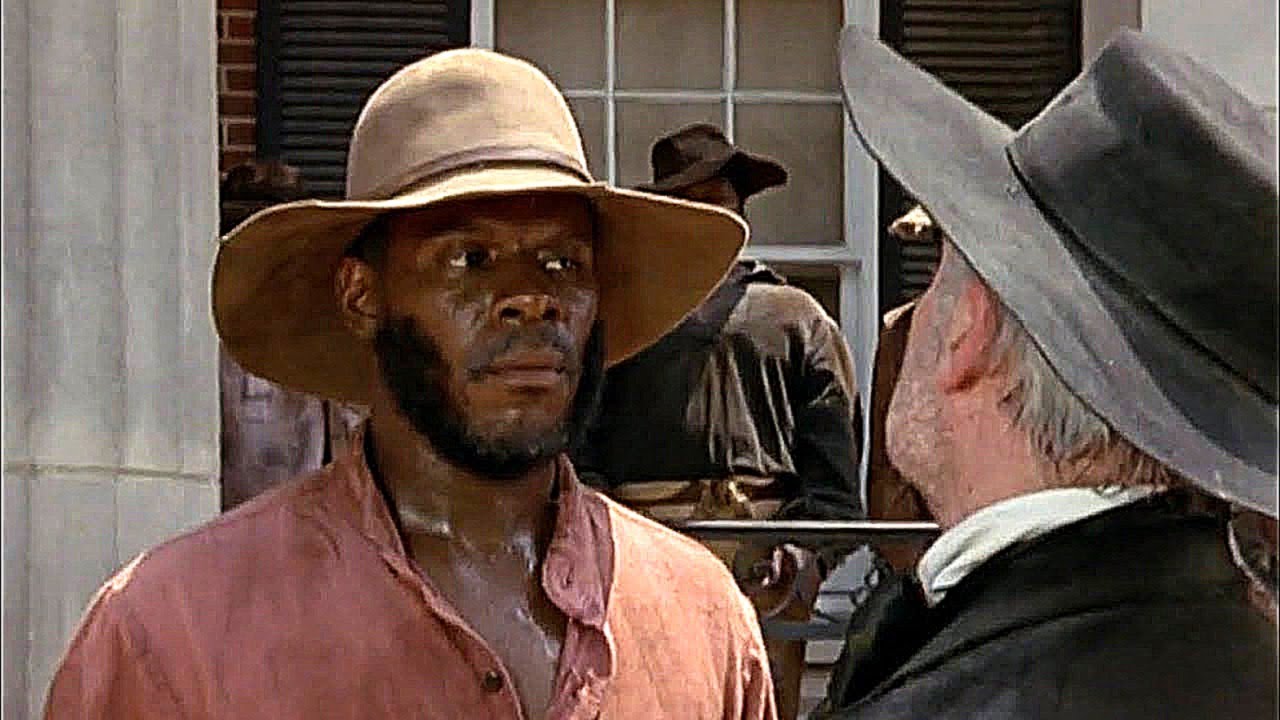
Uncle Tom's Cabin is a 1987 American made-for-television drama film directed by Stan Lathan, and starring Avery Brooks, Bruce Dern, Phylicia Rashad, Samuel L. Jackson and Edward Woodward. It is based on the 1852 novel of the same name by Harriet Beecher Stowe. This movie depicts the life of an aging black slave, Tom, and the people with whom he interacts. Synopsis: This powerful adaptation of the Harriet Beecher Stowe novel follows the adventures of a group of slaves in the 19th-century American South. When Eliza (Phylicia Rashad) hears that she and her son will be separated despite a promise to the contrary, she flees the plantation on which she's a slave, leaving behind her friend Tom (Avery Brooks). The story splits, following Tom as he clings to faith in the face of immense cruelty at the hands of Simon Legree, while Eliza and her son try to survive and remain together despite the odds. Taglines: The road to Freedom is Long and Costly We do not own the rights to any of this film. This film is being used for historical and educational purposes only. No copyright infringement intended. Black Excellence:
Starring Avery Brooks, Kate Burton, Bruce Dern
Uncle Tom's Cabin

Just an Old Sweet Song is a 1976 TV film by MTM Enterprises and Company Four, based on the novel of the same name that also came out in the same year. Melvin Van Pebbles, author of the novel, wrote the script and composed the music. Originally telecast September 14, 1976, as a CBS "General Electric Theater" special, Just an Old Sweet Song was the first of three pilots for Down Home, a proposed TV series created by filmmaker Melvin Van Peebles. Robert Hooks and Cicely Tyson star as Nate and Priscilla Simmons, the patriarch and matriarch of a middle-class Detroit family. Upon learning that their grandmother (Beah Richards) is not long for this world, Nate and Priscilla pack up their kids and head down South. Eventually, the family rediscovers its African-American roots and elects to stay in their new rural surroundings. Robert Hooks' real-life sons (Kevin and Eric Hooks) appear as his screen sons, Junior and Highpockets. Just an Old Sweet Song was followed by two 60-minute sequels in 1978: Kinfolks (in which Madge Sinclair replaced Cicely Tyson as Priscilla Simmons) and Down Home. Alas, none of the three films yielded a weekly series. Plot: A family from Detroit takes a two-week vacation in the south which makes multiple changes in their life they didn't think were possible. We do not own the rights to any of this film. This film is being used for historical and educational purposes only. No copyright infringement intended. Black Excellence:
Starring Robert Hooks, Cicely Tyson, Kevin Hooks
Just an Old Sweet Song
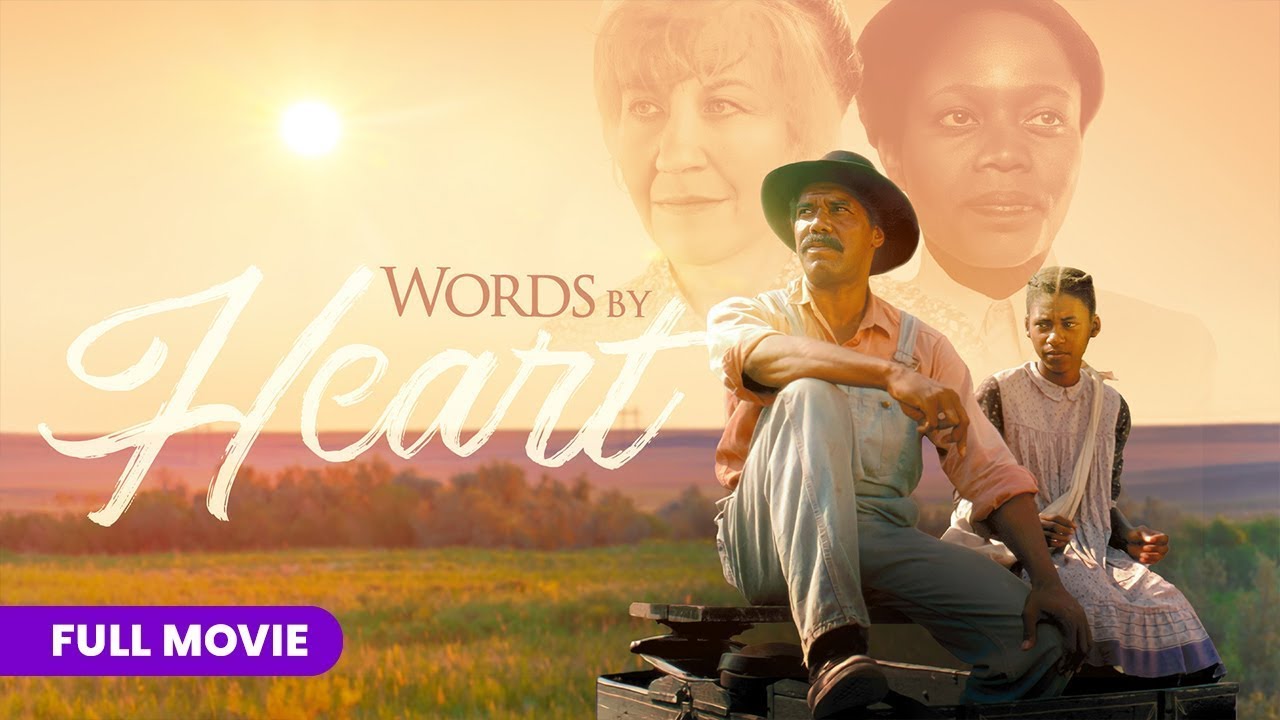
Words by Heart is a poignant 1985 TV movie that explores themes of racial prejudice and resilience through the eyes of a young African American girl, Lena Sills, in a small Midwestern town. Words by Heart was directed by Robert C. Thompson and features performances by actors such as Robert Hooks and Alfre Woodard. The film is based on the 1979 novel by Ouida Sebestyen, which further enriches its narrative depth. Storyline: After moving north from the Deep South at the turn of the 20th century, the Sills family finds prejudice waiting for them in the small Midwestern town of Bethel Springs, as seen through the eyes of the family's young daughter, Lena. In a town where the rules of segregation apply to all manner of daily life, do the values of empathy, forgiveness, and friendship stand a chance? Themes: The film addresses important themes such as empathy, forgiveness, and the struggle against racial injustice. It portrays the Sills family's determination to overcome adversity and the moral conflicts that arise in a racially divided society. The narrative emphasizes the importance of community, understanding, and resilience in the face of prejudice. We do not own the rights to any of this film. This film is being used for historical and educational purposes only. No copyright infringement intended. Black Excellence:
Starring Ed Call, Leo Geter, Robert Hooks
Words by Heart

In the remote South Korean village of Hope Harbor, police chief Bum-seok and officer Sung-ae are called to investigate a mysterious creature wreaking havoc on the community. But all is not as it seems, and perceptions can be misleading. What begins as ignorance plants the seed of disaster, escalating through human conflict into a tragedy of cosmic proportions.
Starring Hwang Jung-min, Zo In-sung, Hoyeon
Hope
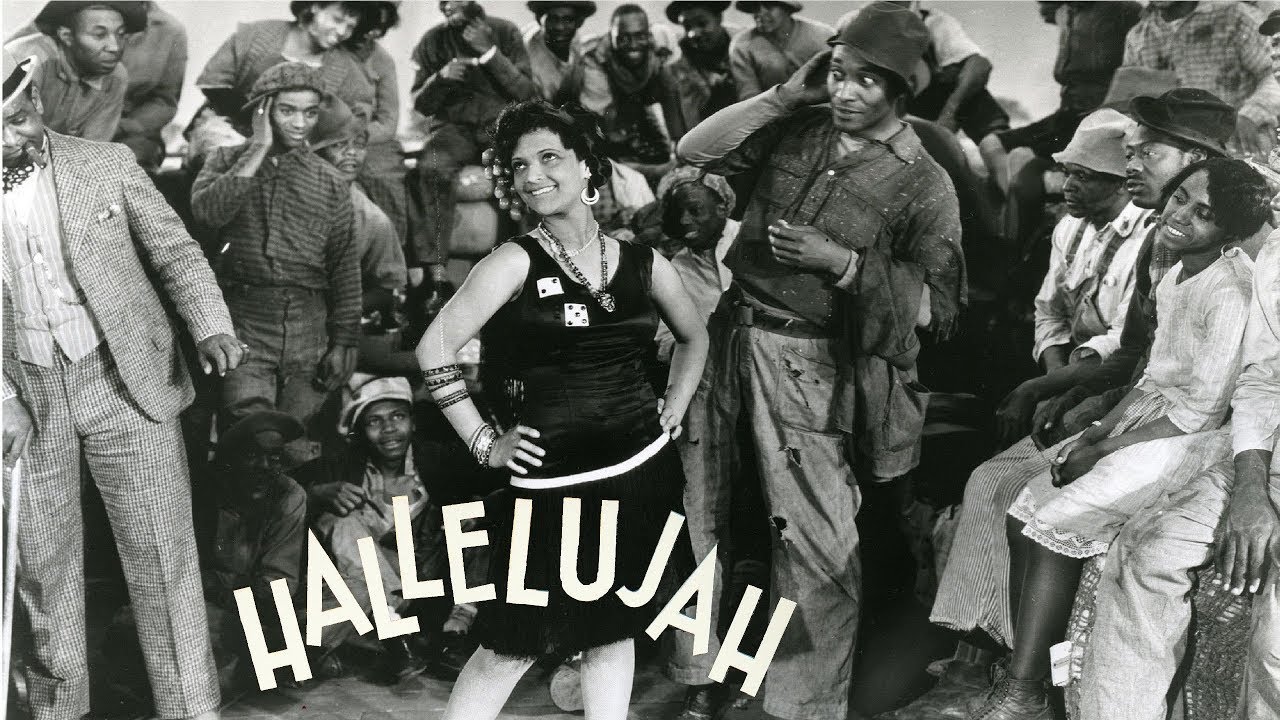
Hallelujah is a 1929 American Metro-Goldwyn-Mayer musical featuring an all-black cast directed by King Vidor and starring Daniel L. Haynes and Nina Mae McKinney. Filmed in Tennessee and Arkansas and chronicling the troubled quest of a sharecropper, Zeke Johnson (Haynes), and his relationship with the seductive Chick (McKinney), Hallelujah was one of the first films with an all-African American cast produced by a major studio. (Although frequently touted as Hollywood's first all-black cast musical, that distinction more properly belongs to Hearts in Dixie, which premiered several months earlier.) It was intended for a general audience and was considered so risky a venture by MGM that they required King Vidor to invest his own salary in the production. Vidor expressed an interest in "showing the Southern Negro as he is" and attempted to present a relatively non-stereotyped view of African-American life. Plot: A sharecropper decides to become a preacher after falling for a vamp from the city. Development: Years before creating Hallelujah, King Vidor had longed to make a film employing an all-African American cast. He had floated the idea around for years but "the studio kept turning the idea down". Vidor’s was in Europe during 1928 promoting his film The Crowd, when heard of talking motion pictures emerging in the United States. He wanted an all-African American cast to sing "Negro spirituals" after he had seen the success of it on Broadway. Vidor stated, "If stage plays with all Negro casts, and stories like those by Octavus Roy Cohen and others, could have such great success, why shouldn’t the screen make a successful Negro play?" Vidor was able to convince Nicholas Schenck, who was the president of MGM at the time, to get the movie made by framing it more as a film that depicted African American’s sexual deviance. Schenck put it simply to Vidor, "Well, if you think like that, I’ll let you make a picture about whores". Vidor received the inspiration to create this film based on real incidents he witnessed as a child during his time at home in the south. He observed: "I used to watch the Negroes in the South, which was my home. I studied their music, and I used to wonder at the pent-up romance in them". Vidor began shooting in Arkansas, Memphis and Southern California at the MGM studios. Hallelujah was King Vidor's first sound film, and combined sound recorded on location and sound recorded post-production in Hollywood. King Vidor was nominated for a Best Director Oscar for the film. Given the equipment available at the time, the film's soundtrack was a technical achievement, employing a much wider range of editing and mixing techniques than was generally used in "talkies" in this period. The Music: The film gives, in some sections, an authentic representation of black entertainment and religious music in the 1920s, though some of the sequences are Europeanized and over-arranged. A sequence which is of vital importance in the history of classic jazz is in the dancehall, where Nina Mae McKinney performs Irving Berlin's "Swanee Shuffle." Although actually filmed in a New York studio using black actors, the sequence gives an accurate representation of a low-life black dance-hall - part of the roots of classic jazz. Most Hollywood films of the period sanitized black music. Hallelujah and Black Stereotypes: Hallelujah was one of the early projects that gave African Americans significant roles in a movie, and though some contemporary film historians and archivists have said that it had "a freshness and truth that was not attained again for thirty years", a number of contemporary film historians and archivists agree that Hallelujah exhibits Vidor’s paternalistic view of rural blacks that included racial stereotyping. Reception: Exhibitors were worried that white audiences would stay away due to the black cast. They hosted two premieres, one in Manhattan and one in Harlem. The Black people who came to watch the film in Manhattan were forced to sit in the balcony. Hallelujah was commercially and critically successful. Photoplay praised the film for its depiction of African Americans and commented on the cast: "Every member of Vidor's cast is excellent. Although none of them ever worked before a camera or a microphone before, they give unstudied and remarkably spontaneous performances. That speaks a lot for Vidor's direction." Mordaunt Hall, in The New York Times, wrote approvingly of the all-Black cast, stating, "Hallelujah!, with its clever Negro cast, is one of the few talking pictures that is really a separate and distinct form of entertainment from a stage play". The combination of two groundbreaking aspects of the film, audible dialogue and an all-black cast, set the movie apart from its contemporaries. Hallelujah entered the public domain on January 1, 2025. Black Excellence:
Hallelujah

The Autobiography of Miss Jane Pittman is an American television film based on the novel of the same name by Ernest J. Gaines starring Cicely Tyson as the titular heroine. The film was broadcast on CBS on Thursday, January 31, 1974. Directed by John Korty, the screenplay was written by Tracy Keenan Wynn and executive produced by Roger Gimbel. It stars Cicely Tyson in the lead role, as well as Michael Murphy, Richard Dysart, Katherine Helmond, and Odetta. The film was shot in Baton Rouge, Louisiana, and was notable for its use of very realistic special effects makeup by Stan Winston and Rick Baker for the lead character, who is shown from ages 23 to 110. The film is distributed through Classic Media. Winner of nine Emmy Awards, including Outstanding Drama of the 1973-74 season, this was one of the most acclaimed TV movies ever, highlighted by Cicely Tyson's Emmy-winning performance as the (fictional) woman who was born into slavery in the 1850s and lived to see the Civil Rights movement a century later. Plot: Story of a black woman in the South who was born into slavery in the 1850s and lives to become a part of the civil rights movement in the 1960s. Storyline: During the racial turmoil of 1960s Louisiana, 110-year-old ex-slave Jane Pittman grants an interview to a persistent journalist and relates the remarkable story of her life. Orphaned early, she toils on a plantation until a chance meeting with a white Union soldier named Brown changes her outlook. Jane's emancipation marks only the beginning of an arduous and heartbreaking odyssey, framed by the horrors of slavery and the justice of the civil-rights movement. Synopsis: The time is the early 1960s Civil Rights Movement. Jane (played by Cicely Tyson), a former slave, is celebrating her 110th birthday. Two men tell her that a little girl is going to a segregated water fountain; she gets arrested because she is black. The next day Jane is interviewed by a journalist named Quentin Lerner (played by Michael Murphy) and she tells the story of her life. The climax of the story shows Jane going to the water fountain to desegregate it; her lifespan has bridged the time of slavery and the Civil Rights Movement. We do not own the rights to any of this film. This film is being used for historical and educational purposes only. No copyright infringement intended. Black Excellence:
Starring Cicely Tyson, Eric Brown, Richard Dysart
The Autobiography of Miss Jane Pittman
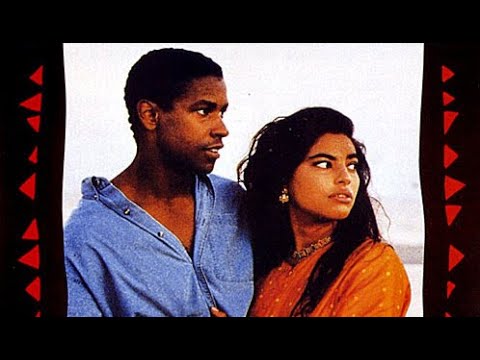
Mississippi Masala is a 1991 romantic drama film directed by Mira Nair, based upon a screenplay by Sooni Taraporevala, starring Denzel Washington, Sarita Choudhury, and Roshan Seth. Set primarily in rural Mississippi, the film explores interracial romance between African Americans and Indian Americans. Storyline: An Indian family is expelled from Uganda when Idi Amin takes power. They move to Mississippi and time passes. The dad sues Uganda to get his property back. The now-adult Indian daughter meets and falls in love with a Black man, and the respective families are forced to come to terms with it in the climate of racial hatred and cultural difference. Synopsis: Demetrius is a stalwart, self-made man and owner of a carpet-cleaning business. A chance traffic accident introduces him to Mina, a beautiful young Indian woman whose family fled Uganda under the rule of Idi Amin. As Demetrius and Mina begin their secret love affair, each is swept into the other's exotic world, soon finding themselves at the center of controversy and scandal. Mina's parents, Jay and his wife Kinnu, are outraged by the relationship and concerned about their daughter's disregard for the values and traditions of their culture. Demetrius, it seems, fares no better. The Indian community is outraged, his business suffers, the bank wants to repossess his carpet cleaning van and friends whisper that he has crossed the color line. However, Demetrius stands steadfast in his belief that a shade of color is all which separates him and Mina. Reception: On the review aggregator website Rotten Tomatoes, 92% of 74 critics' reviews are positive, with an average rating of 7.6/10. The website's consensus reads: "Sarita Choudhury and Denzel Washington's romantic chemistry lights up the screen in Mississippi Masala, Mira Nair's observant and sexy tale of cultures clashing" We do not own the rights to any of this film. This film is being used for historical and educational purposes only. No copyright infringement intended. Black Excellence:
Starring Denzel Washington, Sarita Choudhury, Roshan Seth