
Results for "scar"
465 films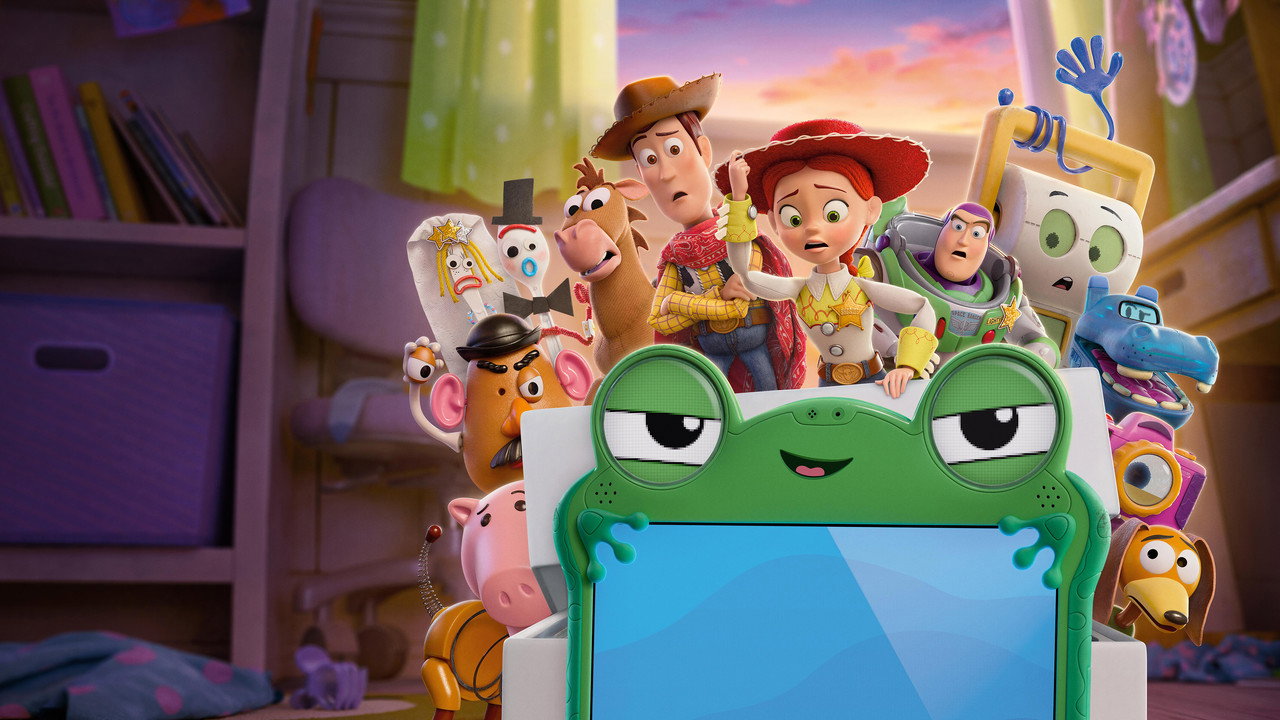
When Bonnie receives a Lilypad tablet as a gift and becomes obsessed, Buzz, Woody, Jessie and the rest of the gang's jobs become exponentially harder when they have to go head to head with the all-new threat to playtime.
Starring Joan Cusack, Tom Hanks, Tim Allen
Toy Story 5
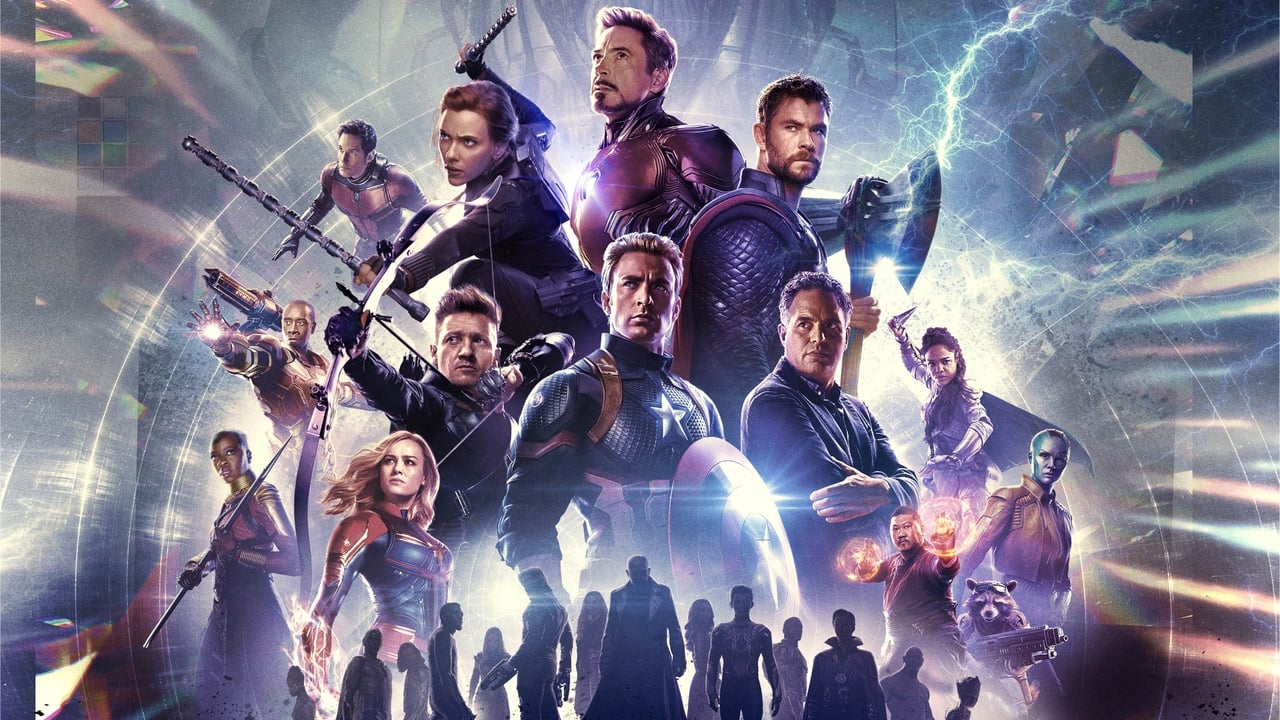
After the devastating events of Avengers: Infinity War, the universe is in ruins due to the efforts of the Mad Titan, Thanos. With the help of remaining allies, the Avengers must assemble once more in order to undo Thanos' actions and restore order to the universe once and for all, no matter what consequences may be in store.
Starring Robert Downey Jr., Chris Evans, Mark Ruffalo
Avengers: Endgame

Toby Wong attempts to escape to the United States in order to keep a bionic implant from falling into the wrong hands. Presented By Radial Entertainment
Starring Ryan Gosling, Carey Mulligan, Bryan Cranston
Drive

From Oscar nominated director Norman Jewison (Moonstruck, In the Heat of the Night) comes a tense biographical drama based on the true story of Rubin 'Hurricane' Carter (Oscar winner Denzel Washington), a man who rose up from his troubled childhood to become a boxing champion. However, he loses everything when he is wrongfully convicted of murder. Years later, his story is discovered by a compassionate young teenager, who becomes determined to set him free. Director: Norman Jewison Writers: Rubin 'Hurricane' Carter, Sam Chaiton, Terry Swinton Stars: Denzel Washington, Vicellous Shannon, Deborah Kara Unger About Kaleidoscope Entertainment: Launched in 2008, Kaleidoscope is a global independent all-rights entertainment distributor, with theatrical, digital, physical and international distribution operations. The catalogue now contains more than 2,000 features. Follow Us: kaleidoscopehomeentertainment.com facebook.com/UKKaleidoscope instagram.com/ukkaleidoscope x.com/UKKaleidoscope
The Hurricane

Oakland, California. Young Afro-American Oscar Grant crosses paths with family members, friends, enemies and strangers before facing his fate on the platform at Fruitvale Station, in the early morning hours of New Year's Day 2009.
Starring Michael B. Jordan, Melonie Díaz, Octavia Spencer
Fruitvale Station

Alice falls down a rabbit hole, and finds herself in Wonderland, a fantasy land of strange characters and ideas. Whoopi Goldberg Martin Short Gene Wilder David St. James Robbie Coltrane Sir Peter Ustinov Ben Kingsley Christopher Lloyd Miranda Richardson 1998 Directed by Nick Willing MORE Popcornflix MOVIES, FREE on YouTube! Action: Romance: Horror: Crime: Drama: Comedy: Western: Popcornflix Channel page: Watch more free movies and TV series at Popcornflix.com, or on the Popcornflix app available on Roku, Amazon FireTV, iOS, Android, Chromecast, and AppleTV. , Full length free movies and TV series. Like us on Facebook: Follow us on Twitter: Popcornflix is owned/operated by Screen Media Ventures
Starring Mia Wasikowska, Johnny Depp, Anne Hathaway
Alice in Wonderland

Starring Ryan Reynolds, Gemma Arterton, Anna Kendrick
The Voices

Oscar winner Robert De Niro ("Raging Bull") and Oscar nominee John Travolta ("Pulp Fiction") star as two Bosnian War veterans hunting each other in this thrilling game of cat and mouse. Presented by FilmRise, a Radial Entertainment Company
Starring Robert De Niro, John Travolta, Milo Ventimiglia
Killing Season

María Nicolasa, la querida India María, se ve obligada a dejar su pueblo nativo y viajar a la Ciudad de México para buscar ayuda tras la detención injusta de su compadre. Al llegar a la caótica metrópoli, se cruza en el camino de estafadores, vivales y situaciones absurdas donde todos intentan sacar provecho. Sin embargo, con su inconfundible astucia, inocencia y agilidad, María demostrará que nadie puede sobrepasarse con ella en una carrera de ingenio donde el que no corre... ¡vuela! 🎥 FICHA TÉCNICA Dirección: Alfonso Campa Guion: María Elena Velasco, Carlos Valdemar ⭐ REPARTO PRINCIPAL María Elena Velasco como María Nicolasa Cruz (La India María) Evita Muñoz "Chachita" como Chachita Freddy Fernández "El Pichi" como El Pichi Irma Dorantes como Laura 🎭 GÉNEROS Acción • Aventura • Comedia • Familia 🌍 TAMBIÉN CONOCIDA COMO (AKA) 🇲🇽 ¡El que no corre... vuela! (título original) 🇺🇸 He Who Doesn't Run, Flies!
Starring María Elena Velasco, Evita Muñoz 'Chachita', María Prado
¡El que no corre... vuela!

Claudine is a 1974 American romantic comedy-drama film, directed by John Berry. Claudine was written by Lester Pine and Tina Pine, produced by Third World Cinema, and distributed by 20th Century Fox, starring James Earl Jones, Diahann Carroll, and Lawrence Hilton-Jacobs. The film was released on April 22, 1974, grossing about $6 million, a modest hit for the times. It was praised for showing a new dimension in black cinema during the height of blaxploitation. Synopsis: A single mother of six on welfare and a garbage collector fall in love in 1970s Harlem. Plot: Claudine is a single mother on welfare in New York City who endures an exhausting commute to the suburbs where she works as a maid for wealthy families. In one carefully tended white community, she meets Roop, a charismatic but irresponsible garbage collector. Romance quickly ensues, but Claudine doubts that their relationship is good for her six children, and Rupert, despite his good nature, is reluctant to take on fatherhood. Storyline: Diahann Carroll is radiant in an unforgettable, Oscar-nominated performance as Claudine, a strong-willed single mother, raising six kids in Harlem, whose budding relationship with a gregarious garbage collector (an equally fantastic James Earl Jones) is stressed by the difficulty of getting by in an oppressive system. As directed by the formerly blacklisted leftist filmmaker John Berry, this romantic comedy with a social conscience deftly balances warm humor with a serious look at the myriad issues—from cycles of poverty to the indignities of the welfare system—that shape its characters’ realities. The result is an empathetic chronicle of both Black working-class struggle and Black joy, a bittersweet, bighearted celebration of family and community set to a sunny soul soundtrack composed by Curtis Mayfield and performed by Gladys Knight & the Pips. We do not own the rights to any of this film. This film is being used for historical and educational purposes only. No copyright infringement intended. Black Excellence:
Starring Diahann Carroll, James Earl Jones, Lawrence Hilton-Jacobs
Claudine

No Way Out is a 1950 American crime drama film noir directed by Joseph L. Mankiewicz and starring Sidney Poitier in his film debut, alongside Richard Widmark, Linda Darnell and Stephen McNally. The film centers on an African American doctor who confronts the racism of a poor slum after he treats a racist white criminal. Nominated for the 1950 Oscar for Best Writing, Story and Screenplay, this intense drama about racial hatred pulls no punches. One of the first Hollywood films to directly address racism. No Way Out was controversial in its "graphic representation of racial violence" in what director Mankiewicz termed "the absolute blood and guts of Negro hating." The film marked the feature-acting debuts of Poitier, Mildred Joanne Smith, and Ossie Davis. Richard Widmark delivers one of his most chilling roles. Mankiewicz and Lesser Samuels were nominated for Best Story and Screenplay at the 23rd Academy Awards. It is a gripping film noir and Sidney Poitier’s powerful debut, following a Black doctor whose treatment of an injured white criminal sparks intense racial tension in a working-class community. Directed by Joseph L. Mankiewicz, it blends crime drama and social commentary, tackling racism with rare candor for its era. Praised for Poitier’s commanding performance and the film’s boldness, it remains a powerful, unsettling classic worth watching for its historical and cinematic impact. Released during the early days of the Civil Rights Movement, No Way Out received critical acclaim but faced censorship for many years due to its incendiary nature. Storyline: The Biddle brothers, shot while robbing a gas station, are taken to the prison ward of the County Hospital; Ray Biddle, a rabid racist, wants no treatment from black resident Dr. Luther Brooks. When brother John dies while Luther tries to save him, Ray is certain it's murder and becomes obsessed with vengeance and the situation slides rapidly toward violence. Trivia: Richard Widmark was apparently very uncomfortable with some of the racist comments his character, Ray Biddle, made, especially given his friendship with Sidney Poitier. As a result, after some of the takes involving particularly venomous remarks, Widmark apologized to Poitier. We do not own the rights to any of this film. This film is being used for historical and educational purposes only. No copyright infringement intended. Black Excellence:
Starring Richard Widmark, Linda Darnell, Sidney Poitier
No Way Out
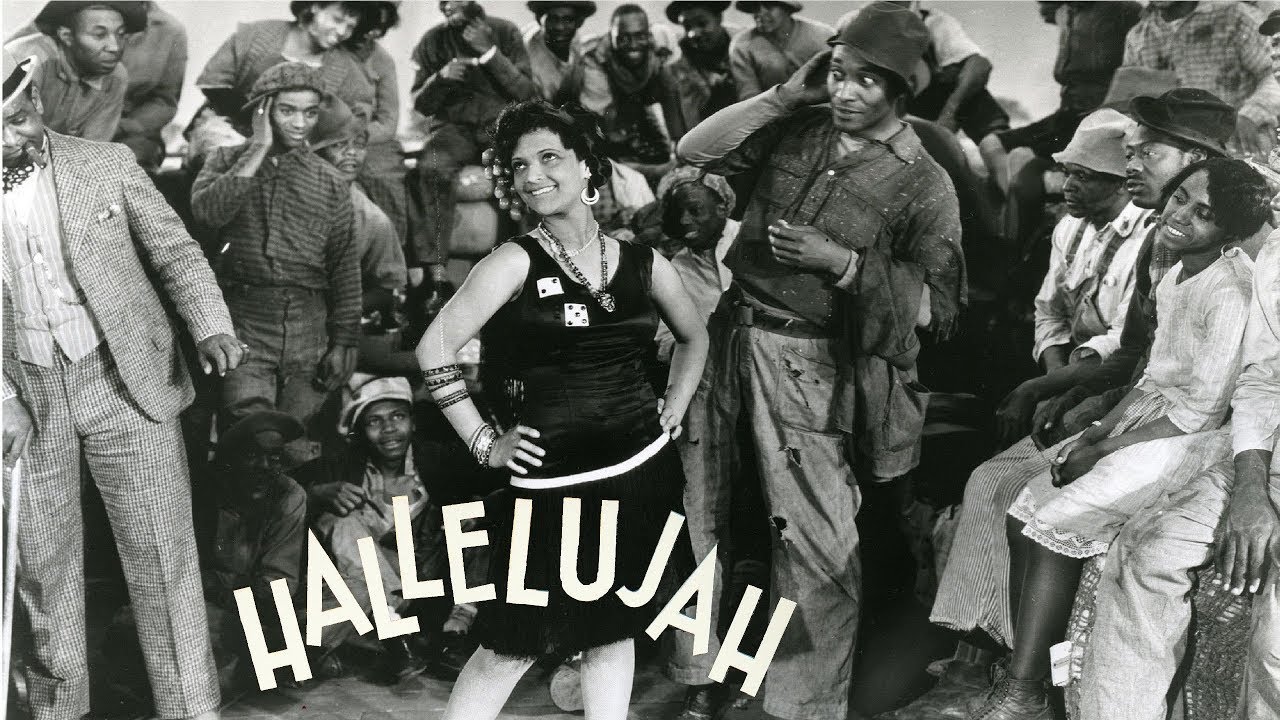
Hallelujah is a 1929 American Metro-Goldwyn-Mayer musical featuring an all-black cast directed by King Vidor and starring Daniel L. Haynes and Nina Mae McKinney. Filmed in Tennessee and Arkansas and chronicling the troubled quest of a sharecropper, Zeke Johnson (Haynes), and his relationship with the seductive Chick (McKinney), Hallelujah was one of the first films with an all-African American cast produced by a major studio. (Although frequently touted as Hollywood's first all-black cast musical, that distinction more properly belongs to Hearts in Dixie, which premiered several months earlier.) It was intended for a general audience and was considered so risky a venture by MGM that they required King Vidor to invest his own salary in the production. Vidor expressed an interest in "showing the Southern Negro as he is" and attempted to present a relatively non-stereotyped view of African-American life. Plot: A sharecropper decides to become a preacher after falling for a vamp from the city. Development: Years before creating Hallelujah, King Vidor had longed to make a film employing an all-African American cast. He had floated the idea around for years but "the studio kept turning the idea down". Vidor’s was in Europe during 1928 promoting his film The Crowd, when heard of talking motion pictures emerging in the United States. He wanted an all-African American cast to sing "Negro spirituals" after he had seen the success of it on Broadway. Vidor stated, "If stage plays with all Negro casts, and stories like those by Octavus Roy Cohen and others, could have such great success, why shouldn’t the screen make a successful Negro play?" Vidor was able to convince Nicholas Schenck, who was the president of MGM at the time, to get the movie made by framing it more as a film that depicted African American’s sexual deviance. Schenck put it simply to Vidor, "Well, if you think like that, I’ll let you make a picture about whores". Vidor received the inspiration to create this film based on real incidents he witnessed as a child during his time at home in the south. He observed: "I used to watch the Negroes in the South, which was my home. I studied their music, and I used to wonder at the pent-up romance in them". Vidor began shooting in Arkansas, Memphis and Southern California at the MGM studios. Hallelujah was King Vidor's first sound film, and combined sound recorded on location and sound recorded post-production in Hollywood. King Vidor was nominated for a Best Director Oscar for the film. Given the equipment available at the time, the film's soundtrack was a technical achievement, employing a much wider range of editing and mixing techniques than was generally used in "talkies" in this period. The Music: The film gives, in some sections, an authentic representation of black entertainment and religious music in the 1920s, though some of the sequences are Europeanized and over-arranged. A sequence which is of vital importance in the history of classic jazz is in the dancehall, where Nina Mae McKinney performs Irving Berlin's "Swanee Shuffle." Although actually filmed in a New York studio using black actors, the sequence gives an accurate representation of a low-life black dance-hall - part of the roots of classic jazz. Most Hollywood films of the period sanitized black music. Hallelujah and Black Stereotypes: Hallelujah was one of the early projects that gave African Americans significant roles in a movie, and though some contemporary film historians and archivists have said that it had "a freshness and truth that was not attained again for thirty years", a number of contemporary film historians and archivists agree that Hallelujah exhibits Vidor’s paternalistic view of rural blacks that included racial stereotyping. Reception: Exhibitors were worried that white audiences would stay away due to the black cast. They hosted two premieres, one in Manhattan and one in Harlem. The Black people who came to watch the film in Manhattan were forced to sit in the balcony. Hallelujah was commercially and critically successful. Photoplay praised the film for its depiction of African Americans and commented on the cast: "Every member of Vidor's cast is excellent. Although none of them ever worked before a camera or a microphone before, they give unstudied and remarkably spontaneous performances. That speaks a lot for Vidor's direction." Mordaunt Hall, in The New York Times, wrote approvingly of the all-Black cast, stating, "Hallelujah!, with its clever Negro cast, is one of the few talking pictures that is really a separate and distinct form of entertainment from a stage play". The combination of two groundbreaking aspects of the film, audible dialogue and an all-black cast, set the movie apart from its contemporaries. Hallelujah entered the public domain on January 1, 2025. Black Excellence: