
Results for "omeleto"
15 films
A mother and son argue. A teenage boy rides with his mother to a piano recital. It's an important performance, and he's listening to music, trying to visualize his playing as he sits in the backseat. His mother is talking on speakerphone in the car. When his mother tries to engage, he tells her he needs to concentrate. He goes back to listening to the music, but they get into an argument. It escalates into something much uglier than a squabble, illuminating the vast gulf between them. Directed and written by Marc Vecchio, this emotionally charged short drama explores the difficulties of a parent-child relationship that is both thornily toxic and fiercely devoted. It puts their interactions under a near-forensic microscopic lens, its bruising intimacy showing the push and pull from both sides -- how they inflame one another yet still soldier on, locked in a difficult, complex dynamic. Taking place mostly at night in the confines of a car, the film's visuals are dark, cool and often shrouded in shadows, pushing us uncomfortably close at times but never quite allowing us a stability of perspective. That fluidity allows the storytelling's great gifts of writing and performance to come to the fore. The dialogue is superb in its emotional layers and complexity; it has the gift of feeling both specific enough to give a sense of full-bodied characters with a depth of history and feeling between them, but withholds just enough to invite complex, even ambiguous interpretation. We get a sense of a mother devoted to her son, but frustrated by what she sees as his self-absorption; the son is dedicated to his performance, and resents what he feels is his mother's neediness. We do not know more about them outside of this narrative snapshot, yet their words and interaction evokes their complicated, layered relationship. Actors Jane Hall and Darby Bryce both give restrained yet emotionally raw performances that are not afraid to be callous, angry or unlikable; they hold nothing back at the height of the film's conflict, making its ugliness all the more impactful. But true to its commitment to complexity and its emotional intelligence, the storytelling smartly remains with the characters as they negotiate the argument's aftermath, as they try to make amends in their ways but perhaps dance around true emotional repair and healing. Intense, perceptive and engrossing, FOR MY MOTHER is so emotionally acute that it could easily function as a kind of Rorschach test for viewers, depending on which character one thinks is "at fault" or not. But the film is too intelligent to easily assign blame. Instead, it is keenly attuned to the dance between parent and child: the love at its core, but overlaid with codependency, avoidance, anger and resentment. It shows how easily dysfunction can be perpetuated and how hard it is to break out of -- but also why people stayed connected, even with the cost of great heartache, ambivalence and distress. FOR MY MOTHER. Courtesy of Marc Vecchio at
FOR MY MOTHER
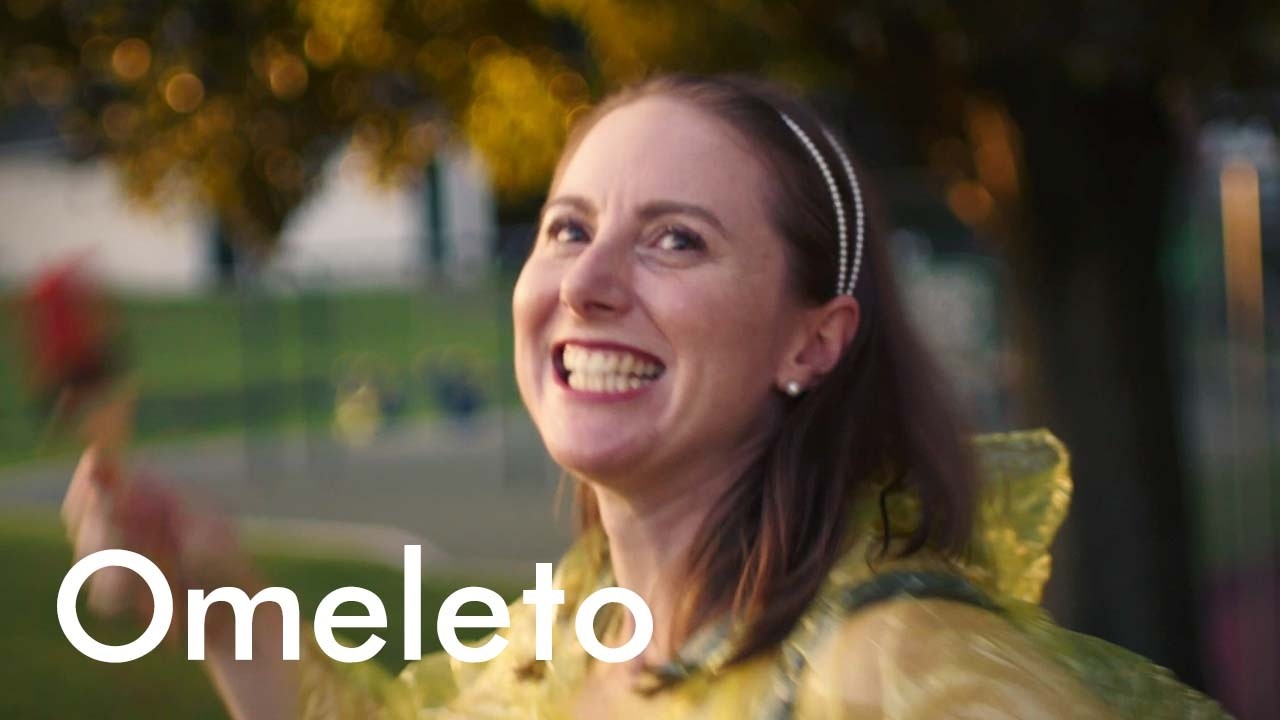
A woman moves on. Rachel is a recent divorcee decluttering her closet, trying to figure out what "sparks joy" à la Marie Kondo. When she comes across her old wedding dress, she realizes it no longer makes her happy to have it and decides to get rid of it. But unloading the dress proves more difficult than Rachel expects. Even though she puts it out on the street, no one wants to take this symbol of her failed marriage. Its presence only compounds the feelings of failure that have plagued Rachel all her life, starting with the sudden loss of her childhood best friend, who simply dropped her. After a suggestion from her therapist, Rachel decides to revisit this childhood friendship -- and finds herself an unexpected way to move forward. Directed and written by Tova Hopemark, this quirky yet measured slice-of-life dramedy is essentially a character portrait of a woman at sea emotionally after a recent divorce, reckoning with her new place in life and putting it in context within her wider emotional history. We first meet Rachel in the midst of an epic closet clean-out, going through each item, holding them up to her heart and deciding whether they spark joy. When she gets to her wedding dress, she realizes she actually sparks the opposite: it makes her feel sad, like a failure. The film's style is both grounded and quietly whimsical, even-keeled in its understatement but with flourishes of dry humor that keep the proceedings from being weighed down with melodrama. Though the film's dialogue is on the pared-down side -- its humor traffics more in awkward silences than quicksilver verbal ripostes -- Rachel is earnest, a little goofy and winningly sincere. As Rachel, actor Tova Hopemark is a transparent, expressive presence, conveying both her immediate emotional reactions and the unspoken sentiments she refuses to look at or give voice to. That refusal to look deeper is partly why she's having a hard time shaking her feeling of inadequacy. Her sharp feelings of loss have a deeper origin, and since her divorce is too fresh, she goes back to the source to find closure. That confrontation doesn't go quite the way she expects. Instead, she's humorously confronted with the ways people change and the simple but essential reminder that often people's ups and downs have much more to do with their own foibles and fumbles. True to the modus operandi of YOUNG HOT DIVORCEE, the way it plays out is quirky, a little unexpected and deeply human. It should also ring true to anyone who has ever had to soldier on after a jarring life event, summoning the confidence to move on and the sometimes bittersweet optimism to imagine brighter days ahead. YOUNG HOT DIVORCEE. Courtesy of Tova Hopemark at
YOUNG HOT DIVORCEE

A young boy grieves. When an inventor couple expects another baby, their young son Bran looks forward to becoming a big brother. But when the family suffers an unimaginable loss, their dreams of an expanded family are dashed. Each member of the family grapples with the loss in their own way, withdrawing emotionally from one another. Left to his own devices, Bran retreats into his imagination, centered on a magical friend named Gnomly. Realizing they've abandoned Bran in their grief, his parents discover Bran's fantastical drawings and decide to build Bran that world, sparking a new journey towards healing. Directed and written by Abigail Hing Wen with animation directed by John Aoshima, this poignant short drama is both a piercingly emotional portrait of a family navigating suffering and grief and a lush, colorful paean to the power and emotional depth of a child's imagination. Combining both live-action and animation and featuring the talents of Tony-winning actor Lea Salonga, it tells its story with an emotional clarity and directness that reflects the perspective of the child at its center, whose imagination inspires the family to come together in a stunningly realized journey of collective creativity and healing. We meet Bran, his family and their world at the top of the film, quickly but vividly established as full of clever inventions, bright flowers and unbridled affection. But the cheerful colors and lighting quickly darken when the family is beset with loss, which casts a shadow of depression and grief over the once happy home. Each member retreats into their own world, and Bran is at odds, dealing with emotions he can barely understand. He retreats into his imagination, making a fanciful world for himself and his friend Gnomly. Their world is brought to life with beautifully vivid, lyrical animated sequences that capture the magic of their world, aided by a plaintive, expressive musical score that deftly mirrors the film's emotional journey overall. Young actor Egan Xander plays Bran with a lovely understatement and sympathy, and with Salonga and actor Robert Palmer Watkins as his parents, they form a believably connected yet struggling family unit. But when his parents discover Bran's imaginative world, they come out of their isolation to build Bran's world as a virtual-reality one. In doing so, they come out of grief together. THE VALE: ORIGINS was conceived as a prequel to the writer-director's New York Times-bestselling novel THE VALE, which explores a young child's adventures in the realm of the same name. But the film works on the standalone level, focused on its journey of healing and imagination. Grief is often said to be love that has no place to go, but THE VALE: ORIGINS builds that place in a collective act of familial recovery, togetherness and love. Its spirit is as richly charming as the Vale itelf, bravely facing difficult feelings but holding onto optimism and hope. It's a tribute to dreamers of all ages and stripes out there, who harness both heart and imagination to comfort and delight the eternal inner child in all of us. THE VALE: ORIGINS. Courtesy of Abigail Hing Wen at
THE VALE: ORIGINS

A man is kidnapped. Charles, an aging dentist, has kidnapped Martin, a younger bartender. Martin has slept with Charles's wife, and an enraged Charles intends to harm Martin as his wife watches. As Charles berates Martin into the truth, the two men find themselves drawn into a more searching, philosophical direction -- one that is brutally honest about what happened and why, and about how they may be more similar than different. Directed and written by Sai Karan Talwar, this spiky, powerful short drama takes a high-pressure situation that portends violence and mines it instead for disquieting emotional resonance. Charles has been cheated on, and he's taking his rage out on Martin, the man his wife slept with, before he turns that anger on himself. But the encounter proves unexpectedly philosophical, as they explore the contradictions of manhood, the difficulties of vulnerability and the ravages of time. Essentially a two-hander confined to one location, the narrative's emotional intensity is matched by its visuals, shot in stark, noir-ish black-and-white with one handheld long take. It situates Charles and Martin in a reality of their own and refuses to allow much relief for the characters or viewers, who have nowhere else to look. Instead, they must confront the ugliness of these men's choices and behavior, from the callowness of Martin's sexual choices to Charles's intent on inflicting revenge. But underneath these behaviors and worldviews is real pain. As they argue and talk, the excellent dialogue excavates a kind of hopelessness and nihilism in the younger man, which provokes dismay in the older Charles. An unlikely connection grows before our eyes, thanks to the concentrated intensity of the storytelling. Actors Jerome Wright and Morgan Scriven as Charles and Martin, respectively, give locked-in, raw performances that illuminate this dance of difference and discovery. Despite their differences in socioeconomic status and age, they find common ground in their persistent feeling of not being enough and their intense emotional loneliness. Together, in one wary encounter, they see how this gnawing inadequacy shapes their egos and poisonous attitudes -- only to uncover how it all backfires into heartbreak and deeper isolation. Profane, intelligent and provocative, WHAT MEN DO FOR LOVE pulls at the thorny knot of contradictions and challenges of modern manhood and mental health. The premise and situation seethe with danger, but it becomes something of a Trojan horse as two very different men explore a more human dilemma: how to grapple with pain and suffering. They confront how their conditioning has ill-prepared them for the challenges of life. And it leaves them in a more uncertain place, both in terms of plot and character. In that uncertainty, there is space for discussion, and hopefully growth -- but there's no playbook or guide to lead the way. WHAT MEN DO FOR LOVE. Courtesy of Sai Karan Talwar at
WHAT MEN DO FOR LOVE
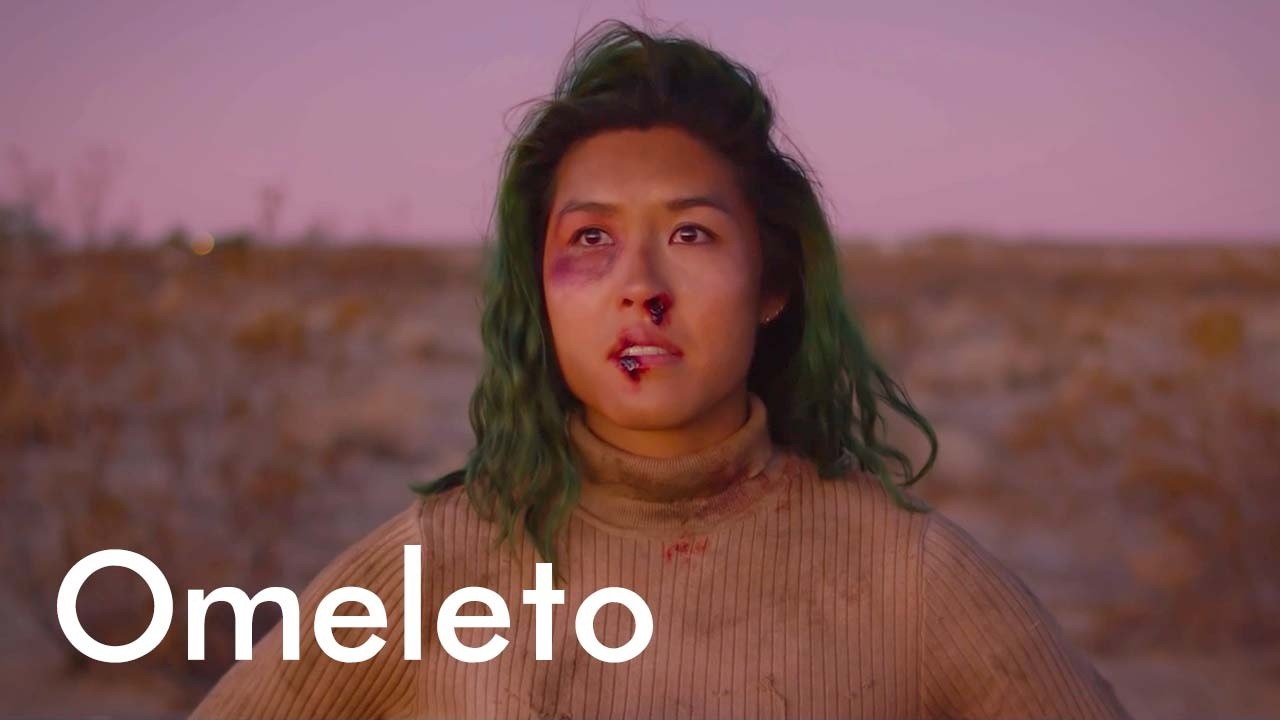
A woman competes. Sophia Honeywell wakes up in a desert. But this is no ordinary desert -- this is the afterlife. Sophia has died choking on a muffin, and now she must move on. But a brittle, sarcastic factotum called "the sheriff" informs Sophia that she has a second chance at life. But she must compete with Caleb, a selfish loner, for the spot -- and reckon with her own unfinished business. Directed by Jill V. Dae and written by Will Graziano and Charlotte T. Martin, this clever and thoughtful existential dramedy takes an unusual premise and makes it odder, more whimsical and more resonant: Sophia has found herself in one of many stations of the afterlife, where she wakes up, disoriented and confused. She discovers 1. she is dead and 2. she can go back if she wins a competition against Caleb, a loner who himself wants to go back to Earth to become a lionfish. Watching it play out is fascinating, full of quirky humor, suspense and poignant emotion. The storytelling drops us in quickly, establishing the strange rules of a strange place, as well as the competition Sophia must win to get back to her life; we also see flashes of Sophia's life in her home with someone she loves. What we don't see are the initial action-oriented fights of the competition, which involve fighting monsters and turning Texas "blue." While that's a pity, the heart of the film is more emotionally oriented, as Sophia and Caleb must face the trickiest challenge of all: they must share their deepest regret on Earth and share what they would do differently. And later, Sophia faces another choice: she can go back, but she must never see the woman she loves ever again. Meanwhile, Caleb faces his own baggage as he bears witness to Sophia's struggles to make choices that will help her move forward. Actors Becca Q. Co and Will Graziano balance both the comedic and dramatic demands of the narrative -- they are confused or exasperated by the strange world they've stumbled into, but when they both drill down into their regrets about life with vulnerability and honesty, the film becomes truly resonant and relatable. Visually, HONEYWELL navigates a similar transition: it begins with a brightness that feels both comical and surreal but gains in softness, shadow and beauty as Sophia and Caleb reveal themselves emotionally. In their own ways, they help one another move forward and grow, learning from one another's perspectives and experience. That growth makes for a complex, compelling arc, starting with the off-kilter and then landing with a gentle wistfulness and acceptance that feels a little like genuine wisdom. HONEYWELL. Courtesy of Jill V. Dae at
HONEYWELL
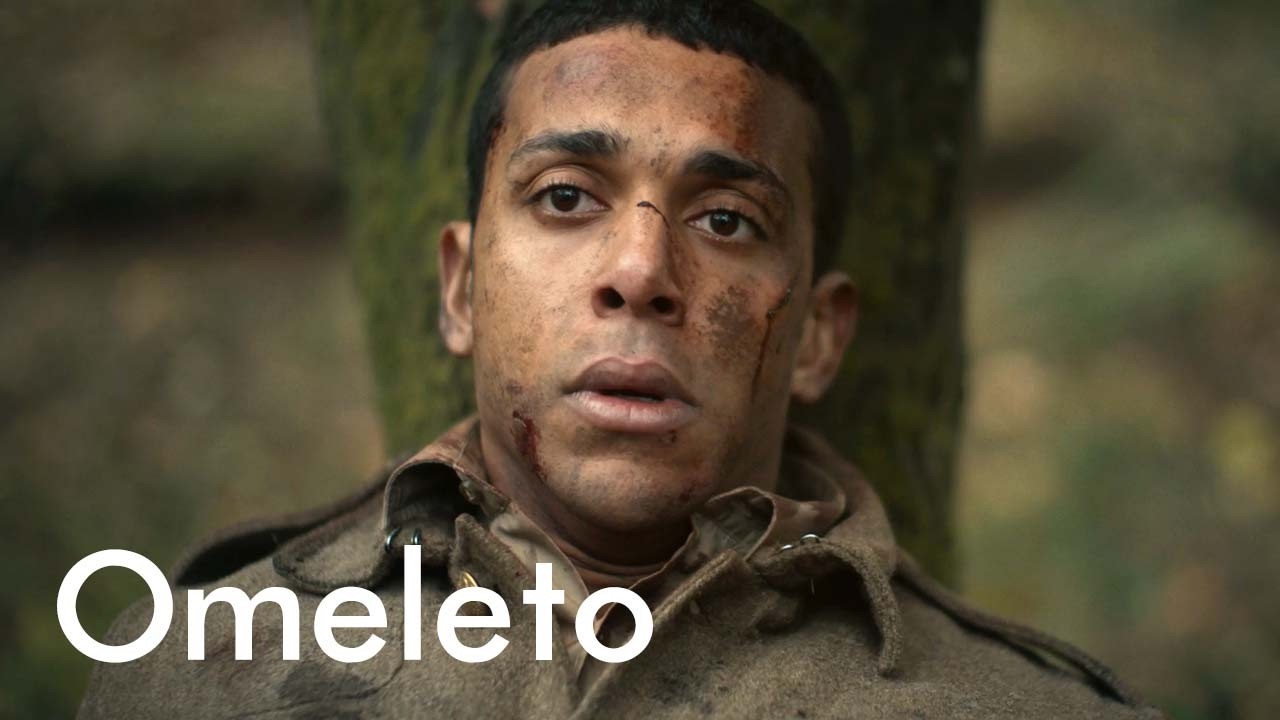
Two soldiers hide out. Flanders, 1916. Tommy is a young soldier from the West Indies, serving in a unit of the British Army. During a violent skirmish in the forests of Belgium, he flees into the woods, panicked and terrified. He meets Finn, a cynical, mysterious Irish officer, who takes Tommy in and later suggests joining forces to ensure their survival. Over the next few days, the two deserters form a tentative, unconventional bond. But when a German soldier discovers their hideout in the middle of the night, their common cause is tested as they wrangle over what to do to survive. Directed by Guido Zanghi and written by Benjamin Greaves-Neal and Guido Zanghi, this compelling short historical drama is a snapshot of World War I history, taken from a perspective not often represented in narratives about the conflict. But it is also a psychologically penetrating study of fear, paranoia, trust and the ways that war can warp our reactions to events and people. Both strands of the story are served through elegantly economical filmmaking and excellent writing and performances, all of which coalesce into an exemplary character study that understands how the larger tides of history can shape the inner lives of the people caught up in them. We are dropped into the story right when Tommy suffers what modern sensibilities would call a panic attack in the middle of battle. Overwhelmed, he flees into the forests of Belgium where they are battling, scared and ashamed. When he's discovered by Finn, the narrative develops its moment with its close attention to the evolving dynamic between Tommy and Finn, who decide to hide out in a cabin in the woods. The two men are wildly different, though they seemingly fight on the same side. Tommy is devout, vulnerable and empathetic; Finn has a hardened, cynical demeanor, and is unafraid to assert his rank as Tommy's military superior even when they first meet, though he convinces Tommy to join him, promising no ranks and no fighting. Actors Oliver Asante and Trevor Murphy as Tommy and Finn, respectively, are both excellent, especially as the film darkens in tone and leans into the mode of a psychological thriller. When the German soldier enters their midst, the wary camaraderie becomes a battle of wills, and the men discover that even if they are deserters, they may not be able to leave the mindset of war and violence behind. DESERTERS is partly inspired by the true story of Herbert Morris, a Jamaican soldier who fought with the British West Indies Regiment, which consisted entirely of volunteers from the Caribbean. Morris suffered from shell shock, deserted the army and was later court-martialed and sentenced to death for his desertion. As the film winds down to its gripping conclusion, we're left with a sense of war's senselessness, along with the way it breeds xenophobia and fear. Even though it takes place in the past, it asks whether this psychological Pandora's box can ever be closed once it's opened, dooming us to repeat patterns again and again. DESERTERS. Courtesy of Guido Zanghi at
DESERTERS
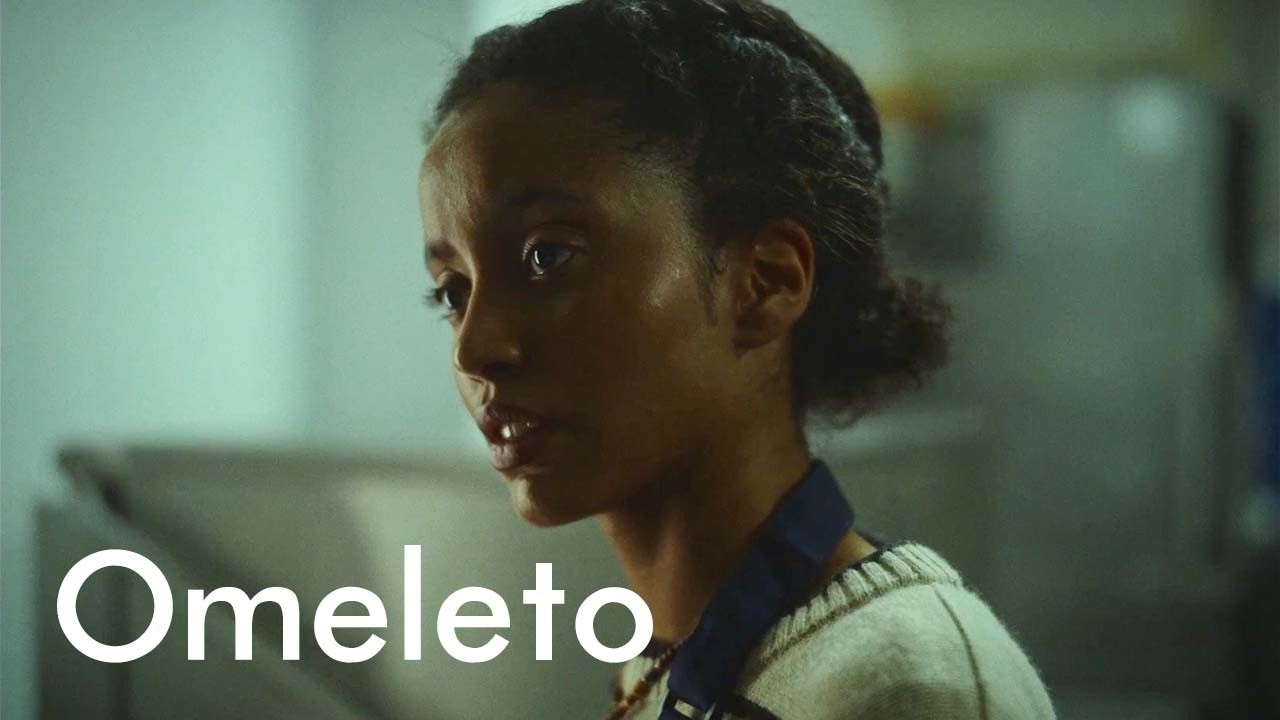
A woman is lost. Mya is a dishwasher who works in the kitchen of a fine restaurant, isolated by the sinks and by her own difficulty understanding the language of her adopted country. One night after her shift, she helps a homeless man, despite the fact that she has little herself. But when she has a miscommunication with the police, the situation becomes tense, exacerbated by her inability to communicate under stress and the officers' unwillingness to fully understand what's going on. Directed and written by Cesar Velasco, this intriguing and emotionally piercing short drama has a bold premise. Its dialogue is in an entirely fictional language that is never meant to be understood; even the signs are in this made-up language. But the film's lucid directing, deft camerawork and rich performances still immerse us in the experience of language barriers, often navigated by immigrants, foreigners and the proverbial stranger in a strange place. In doing so, we understand the helpless invisibility and social peril of being unable to communicate and be understood. We open with a fluid, swooping long take that brings us deep into a bustling restaurant at the height of dinner service, with people talking, laughing and eating. Though we don't know the language and see no subtitles to translate the ambient noise, we feel the belonging, joy and togetherness of the restaurant's community. But then the shot lands on Mya, washing dishes and listening to music on her headphones, set apart from the warmth and conviviality of the main restaurant. That physical and social separation is vividly rendered in the opening shot, and explored in the events following, from Mya's kind gesture towards a homeless man to the police who misunderstand and misinterpret her during a confusing, tense encounter, setting her on a journey of escape and trying to find safety. That odyssey expands and contracts from the fast-paced, almost thriller-like action to a more emotionally intimate, lyrical style that captures Mya's loneliness. Throughout, we feel her confusion, isolation and fear, brought to life by actor Razan Nassar's lovely, affecting performance as Mya, which grounds us through a number of turns and events, some of which are frightful and tense. Mya is scared, alone and without help or resources, evoking the experiences of struggling immigrants everywhere. But the film is ultimately a heart-opening, hopeful one, showing that no matter what the language, kindness and compassion need no words to be given or received. Intelligent, empathetic and beautifully crafted, A FILM IN ANOTHER LANGUAGE was inspired by the writer-director's own experience, having not learned English until his teenage years. It's a powerful evocation of how language barriers have both immediate, concrete effects on our lives and on our psyches, compounded by the film's refusal to allow us full understanding of its dialogue. Instead, we must pay close attention to expression, gesture and feeling. And like Mya, we might find those who look beyond simple stereotypes and ideas to the full, dimensional human being underneath. A FILM IN ANOTHER LANGUAGE. Courtesy of Cesar Velasco at
A FILM IN ANOTHER LANGUAGE

Two friends attend a party. Zoey and Gaby are longtime best friends who have been through it all. One night, as they attend a friend's engagement party, Zoey makes a disturbing discovery involving Gaby. Despite her unease, she helps Gaby try to contain the situation without being discovered by others at the social occasion. But it all might just test the limits of their friendship and their own boundaries with one another. Directed and written by Liliana Tandon, this short dark comedy explores loyalty, female friendship and the lines between boundaries and codependency, as two friends find themselves navigating a sticky dilemma during a party. Both mordantly funny and emotionally relatable, it paints a picture of the exceptional closeness and loyalty of female friendship, while asking how far we should go for them. Shot with a moody sheen that feels both heightened yet slightly sinister, the storytelling is a tonal high-wire act, taking the thematic concerns of THELMA AND LOUISE and updating them for a time when filmmakers like Emerald Fennell are pushing boundaries of women's representation onscreen with bleak, sometimes surreal dark comedies. We first met Gaby at what we think is a point of despair; Zoey worries that Gaby has gotten back together with her partner Sean, but the reality is much different. Zoey and Gaby's pesky problem is an undoubtedly bloody one, but it's also juxtaposed against the forced high spirits of a friend's engagement party, framing the action against the expectations and mores of marriage, relationships, love, romance and traditional feminine rites of passage. In Gaby's case, that entire enterprise has collapsed, and she must attend to the wreckage. It makes for high and heightened stakes, but Gaby isn't alone, as Zoey loyally tries to help, even as she's trying to wrap her head around what Gaby has done. As Zoey and Gaby, respectively, actors Maddy Sykes and Maria Fernandez Diez have a witty, flinty but real rapport, believably portraying best friends whose bond has persisted over time, many inside jokes and terribly damaging relationships. Now Gaby has unwittingly been freed from what emerges as the worst relationship of all -- but it also pushes Zoey into drastic action that is outlandish, brutal, bleakly hilarious and very believable to any best friend that would take a bullet for their bestie. Compact, vivid and attuned to both its characters' inner lives and the outer pressures they face, RIDE OR DIE is a particularly dark and funny riff on the old female-friendship equivalent of "holding back your best friend's hair while she throws up at a party," where one friend holds space for the other as she hits her lowest point. It vividly and economically portrays two complicated, complex women whose friendship is just as complicated. But it also gets at a fundamental truth of many women's lives: friendships are often the space where they go to feel fully seen, heard, understood and accepted, flaws and all. Most flaws don't rack up a body count, of course, but the loyalty and love at the heart of female friendship means that your best friend will probably still love you anyway. RIDE OR DIE. Courtesy of Liliana Tandon at
RIDE OR DIE
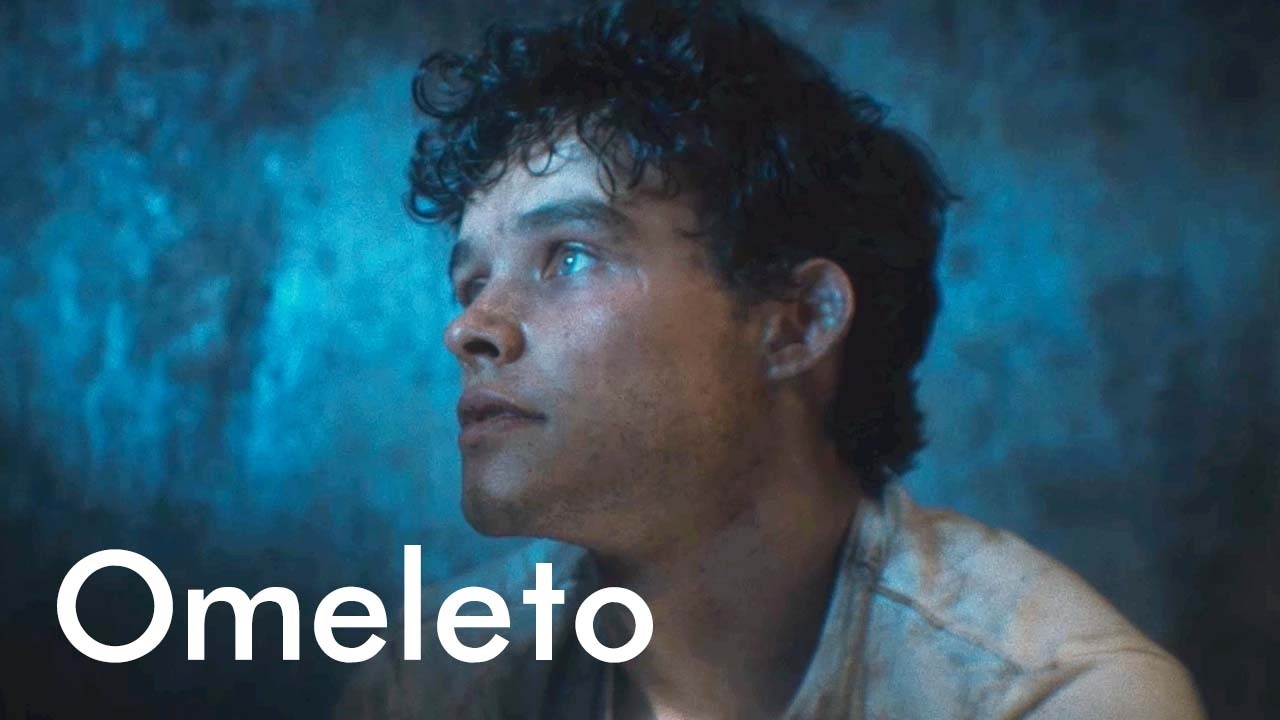
Two soldiers meet. Jae is a South Korean man who is fluent in English, forced to work as an interpreter for the North Korean army after it invaded South Korea in 1951. In the field, he encounters an American soldier, one of many who were drafted in the Korean War to fight against communism. Jae and Charlie's encounter is harrowing and devastating, especially to the sensitive, intelligent interpreter often forced to act against his will. Their meeting's aftermath will ripple out in unexpected ways and transform the lives of almost all involved, affecting not just the men but the pregnant wives they left behind. Directed and written by Jaren Hayman, this compelling and moving short historical drama balances a sweeping narrative canvas with moments of poignant, lyrical emotion as it explores how one wartime encounter's consequences unfold in unexpected ways. Handsomely crafted in a visual classicism that is both lush and melancholic, its timeless style reflects archetypal themes of war's brutal senselessness, its heart-rending effects on the men involved, and the ways we are interconnected despite our differences. The film opens with the urgent, tense encounter between a Korean soldier, his interpreter and a cornered U.S. soldier named Charlie, from whom they demand information. Riveting and taut in its telling, the meeting is tense, quick and full of menace, and its emotional imprint is seared into the viewers' consciousness as well as those of the characters -- fitting for an event that will shape the lives of those involved going forward. Though this meeting is the origin point of the narrative and relayed in a straightforward way, the storytelling then weaves between past and present and between America and South Korea. The structure is ambitious, covering and compressing a lot of narrative terrain into the short format. It feels like a Gordian knot of memory, teasing out how the initial encounter especially haunts Jae well after his time on the battlefield and how the changes in him affect his relationship with his wife Nuri, who is bewildered by her husband's emotional distance and reticence. The American soldier's wife, Anne, on the other side of the world, waits for the return of her husband. In the middle is Jae, who remains haunted by what happened with Charlie and casts about for a way to relieve his distress and guilt. Grounding us in this intricate world are a quartet of performances -- by actors Dongwoo Kang, Curran Walters, Abin Andrews and Ella Cannon -- that bring us into each character's hopes, dreams and heartaches. The emotional immediacy of their performances anchors us in perhaps the film's most heartfelt theme: the drift of sorrow when we are faced with the loss of a loved one. Though WITH LOVE, CHARLIE takes place during the Korean War, families are still being torn apart and loved ones are being lost fighting wars not of their choosing, and soldiers are still returning, haunted by what they've seen and done. In a world of rigid divisions, that may likely not change for some time, if ever. But the film finds consolation and hope in its understanding that we all love and despair in love's loss -- and can show empathy to one another, no matter what the side. WITH LOVE, CHARLIE. Courtesy of Jaren Hayman at
WITH LOVE CHARLIE

A man attends a party. Ari and his girlfriend are attending an afternoon party in Hollywood. The people are very nice, the snacks are great, and it's full of well-connected industry professionals, all there to support and cheer on "the director" they know and revere. But as Ari quickly finds out, this is no ordinary industry event. It's actually the gathering of a cult, and Ari must corral the friends he brought and get out without being sucked in. Directed and written by lead actor Ari Frenkel, this nimble, playful short comedy is basically an escape film, as one man discovers he's actually at a cult gathering, not the titular Hollywood party he thought he was attending. Once he realizes what's happening, he hoofs it out of there, trying to bring his friends along -- but he soon realizes the cult is more insidious and wily than he thought. With smart, snappy dialogue, it's a clever send-up of Hollywood industry insularity, where people on the outside are always trying to find a way in, as well as a fast-paced breakout, as Ari tries to depart the party without being ensnared. Both strands of the storytelling are aided by a quick-moving, energetic one-shot take, similar in style to the current television hit THE STUDIO, which thematically hits similar notes. (Outside of the sacrificial death cult, that is.) The one-shot is tremendous fun to watch unfurl, giving us the lay of the land in terms of the upscale surroundings, the eccentric personalities and the curious clues that are scattered throughout. Many one-shots are staged and executed in ways to ratchet up tension during a sequence, and that happens here as well. But this film also uses it to comical ends, adding to the antic and farcical feel that sweeps us and the excellent cast along. Ari might have been hopeful to meet some interesting colleagues when he arrived, but the realization of the party's true nature is a funny one, and his attempt to leave is just as humorous, as well as perhaps a little bruising to the ego. We're eventually propelled along to a darkly funny ending, played for goofs and ending HOLLYWOOD PARTY on an amusing, sharp zing. With its insider-heavy exclusivity and its impenetrable patois of ambition and power, Hollywood can indeed seem like a cult, minus the mass ritual of doomsday-like collective extinction. It conjures a sense of belonging and community that seems fun and helpful to be part of, until it asks us to leave something essential behind, like our values, integrity -- or our lives. HOLLYWOOD PARTY. Courtesy of Ari Frenkel at
HOLLYWOOD PARTY
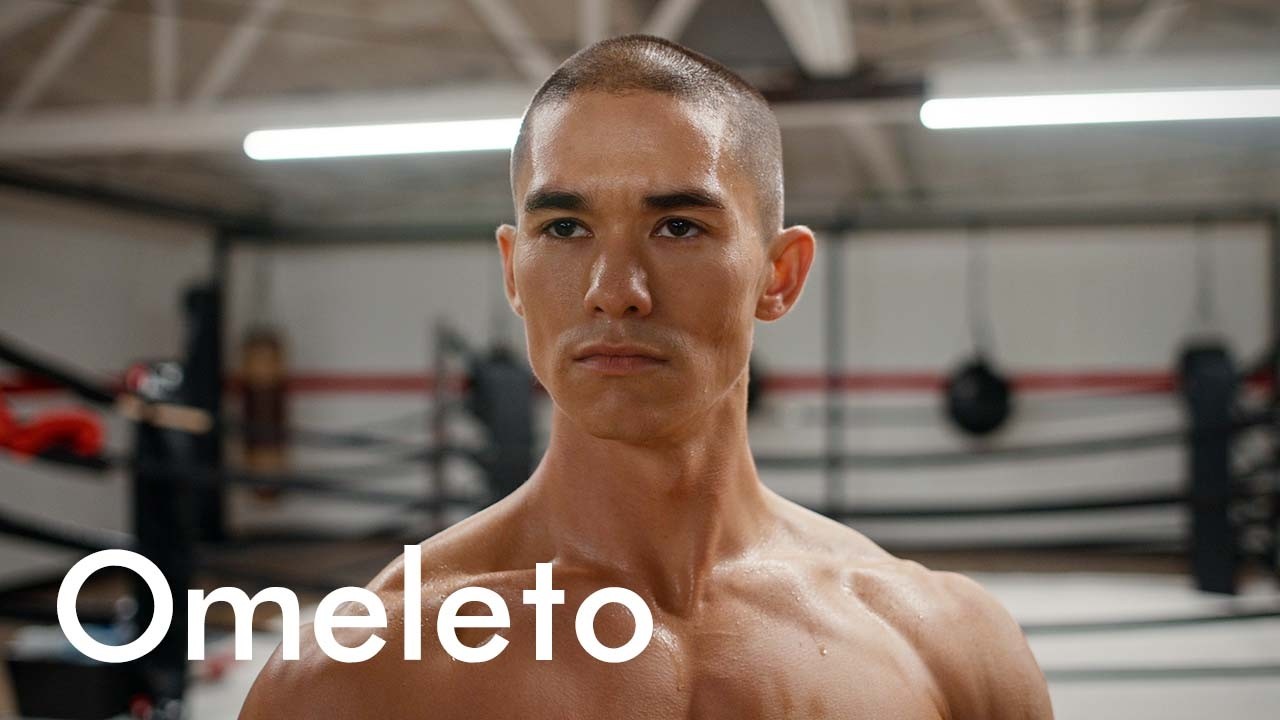
A man competes. Sam is young, strong and healthy and he's competing with others like him to become a "blood boy" to a billionaire. If he wins, he'll be immersed in the luxury of the uber-wealthy, offering his youth and vigor to an aging industry titan. Standing in Sam's way is the billionaire's current pick, Charlie. As Sam faces off against Charlie and finds himself in a twisted dynamic of his very own with his competitor, he confronts just how far he will go to win -- and faces the dark underbelly of his aspirations. Directed and written by Jordan M. Hahn, this provocative high-concept short drama is a taut, compelling portrait of the strange, surreal world of "blood boys," whose blood is transfused into aging but ultra-wealthy men in hopes of revitalizing them. Stories of blood boys have seeped into popular imagination; here, the film imagines a modern-day competition of gladiators, overseen by a sympathetic but cynical doctor. But instead of fighting horrors in a ring, these young men are offering themselves up to a powerful billionaire, whose choice will set the winner up in an elite milieu of privilege. Visually, the film has the cold, dark gleam of amoral aspiration and the rhythms of a first-rate thriller, weaving spectacles of masculine strength and power with more intimate scenes where the power play is psychological and emotional. As Sam and Charlie circle one another in more ways than one, the storytelling balances a tricky interplay of teasing seduction and emotional manipulation, played out by actors Booboo Stewart and Damian Joseph Quinn with vehement rivalry and chemistry. They're drawn to one another, but undercurrents of resentment and ego also shape their interactions. Charlie enjoys his status as top boy, while Sam seethes at being made to feel inferior. It only stokes his determination to win, especially when the prize is so rarefied and so tantalizingly close. Slick, disquieting and as riveting as a car crash, BLOOD BOYS could be filed under an emerging corpus of narratives that have sprung up around the lifestyle and ethos of the shadowy but powerful uber-wealthy, especially as their influence comes out into the open in the news. Beyond its bona fides as a sleek, dark psychological thriller about competition and morality, there are also teasing questions about masculinity, power, dominance and the will to power that bubble under the physical and psychological battles. It makes for a tantalizing knot of storytelling that will make viewers wonder just what money can or can't buy -- and whether it is worth the cost. BLOOD BOYS. Courtesy of Jordan M. Hahn at
BLOOD BOYS

A man confronts teenagers. Walter is a widower who has retreated into solitude in the wake of his wife's passing. He spends his hours inside, painstakingly working on his miniatures. But his fragile peace is broken when local neighborhood teenagers harass him, egging his house and interrupting his self-imposed exile from the outside world. At first, Walter bears the harassment stoically enough. But as the teens escalate into bullying the older man, he decides to fight back. Directed and written by Danik Bartolini, this short drama is a character study of a man who has withdrawn from the world, alone with his grief for the wife he lost. Like Walter himself, the film has an overall tenor of patient observation and introspection at first. As he finds himself under siege in his own neighborhood, both Walter and the film subtly shift registers into dark humor, as the fine line of endurance snaps and becomes a breaking point, and Walter finds himself drawn, against his will, back into the outside world. The film devotes attention to the quiet, hushed peace of Walter's cloistered world, as he wanders in a home filled with memories and mementos of a full and rich life, working on his miniatures and eating in front of the TV. The cinematography is both warm and melancholy, and the camerawork is understated, as if not to disturb the contemplative atmosphere, which seems both peaceful and avoidant. But that sense of burnished quiet is wrecked by the intrusions of neighborhood mischief-makers, who egg his house and set his belongings on fire. When they destroy Walter's loving garden memorial to his wife, though, they've gone too far, and Walter sets out to confront them. As Walter, actor Fernand Lavoie conveys his character's grief with stoicism and understatement, as someone who wants to be left alone by the world. But the teen vandals refuse to let him withdraw, and their persecution slowly enrages Walter, who becomes determined to confront them, partly to stand up for himself, and perhaps for revenge. We don't see his adversaries until nearly the end of the film, but they're startlingly young -- and no match for Walter. The conclusion of WALTER is not just a collision of characters, but between the film's modes of quiet character study and darkly ironic thriller-drama. It ends with just enough detail to let us know what happened in the broadest sense, but interestingly, with some ambiguity of Walter's emotional resolution. This quiet, self-contained man finally finds an outlet for the pain inside himself, allowing himself tears -- for his deceased wife, for the violence that unfolded and perhaps for himself. One can only take so much when it comes to both tragedy and persecution. WALTER. Courtesy of Danik Bartolini at