
Results for "neo-soul"
3 films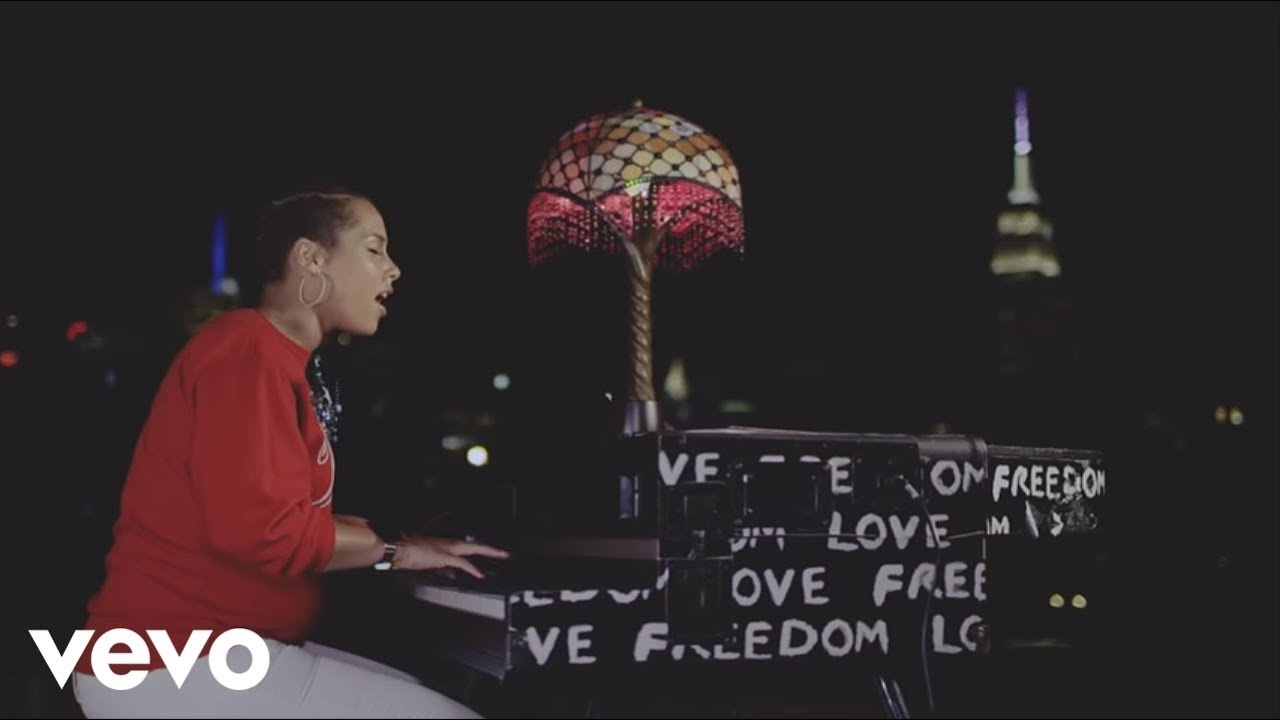
"We Are Here" by Alicia Keys available now! iTunes: Amazon Music: Google Play: Follow Alicia Keys Music video by Alicia Keys performing We Are Here. (C) 2014 RCA Records, a division of Sony Music Entertainment
Alicia Keys - We Are Here

1974 funk music wasn’t background sound — it was muscle. This was the year funk locked into its most dangerous form: heavy basslines, sharp wah-wah guitars, militant drums, and grooves designed to intimidate, dominate, and move bodies. Funk in 1974 became inseparable from the rise of Black exploitation cinema, where music wasn’t decoration — it was identity, attitude, and authority. This era of funk was raw and confrontational. Basslines stalked instead of bounced. Drums hit with intention, leaving space between kicks and snares to let tension breathe. Fender Rhodes chords were dark, minor-key, and cinematic, creating a sense of menace and control. Funk stopped smiling. It started staring back. Black exploitation films used 1974 funk as a weapon. The music amplified themes of survival, power, rebellion, and street intelligence. Every groove felt like a slow walk through danger. Every guitar stab sounded like a warning. These soundtracks didn’t ask for approval — they claimed space. Analog recording defined the sound. Tape saturation, distortion, hiss, and imperfect performances weren’t flaws — they were the soul. Musicians played live, reacting in real time, locking into grooves that felt human, sweaty, and urgent. No click tracks. No polish. Just rhythm and intent. 1974 funk music reshaped modern production forever. Hip hop sampling culture, neo-soul, boom bap, trip-hop, and cinematic scoring all trace back to this moment. Producers still chase the same elements: deep low end, minimal arrangements, repetition, and attitude. But few ever reach the same impact. This wasn’t party funk. This was street funk. Music for night drives, neon lights, private detectives, hustlers, and anti-heroes. Music that carried weight. Music that still sounds dangerous decades later. If you want to understand why funk still matters, why groove culture exists, and why modern music keeps circling back to the past — 1974 is the year you study. This is funk at full power. 1974 funk music, black exploitation funk, blaxploitation soundtrack, 1970s funk, vintage funk sound, funk basslines, wah wah funk, analog funk, funk film music, blaxploitation music, funk history, cinematic funk, classic funk era, 1974 music, funk grooves, soul funk 1970s, funk vinyl, funk influence, street funk, retro funk 1974 Funk Music: When Funk Turned Dangerous The Funk Sound That Powered Blaxploitation Films Why 1974 Funk Still Hits Harder Than Modern Music This Is Not Party Funk — This Is 1974 How Blaxploitation Made Funk Ruthless 1974 Funk Explained: Bass, Power, Attitude The Darkest Year in Funk Music History Before Sampling: The Real Sound of 1974 Funk Blaxploitation Funk That Changed Music Forever This Funk Had No Rules — 1974 Unfiltered
This Funk Had No Rules Unfiltered

1974 Funk Music: The Soundtrack of Power, Grit, and Black Exploitation Cinema 1974 funk music wasn’t background sound — it was muscle. This was the year funk locked into its most dangerous form: heavy basslines, sharp wah-wah guitars, militant drums, and grooves designed to intimidate, dominate, and move bodies. Funk in 1974 became inseparable from the rise of Black exploitation cinema, where music wasn’t decoration — it was identity, attitude, and authority. This era of funk was raw and confrontational. Basslines stalked instead of bounced. Drums hit with intention, leaving space between kicks and snares to let tension breathe. Fender Rhodes chords were dark, minor-key, and cinematic, creating a sense of menace and control. Funk stopped smiling. It started staring back. Black exploitation films used 1974 funk as a weapon. The music amplified themes of survival, power, rebellion, and street intelligence. Every groove felt like a slow walk through danger. Every guitar stab sounded like a warning. These soundtracks didn’t ask for approval — they claimed space. Analog recording defined the sound. Tape saturation, distortion, hiss, and imperfect performances weren’t flaws — they were the soul. Musicians played live, reacting in real time, locking into grooves that felt human, sweaty, and urgent. No click tracks. No polish. Just rhythm and intent. 1974 funk music reshaped modern production forever. Hip hop sampling culture, neo-soul, boom bap, trip-hop, and cinematic scoring all trace back to this moment. Producers still chase the same elements: deep low end, minimal arrangements, repetition, and attitude. But few ever reach the same impact. This wasn’t party funk. This was street funk. Music for night drives, neon lights, private detectives, hustlers, and anti-heroes. Music that carried weight. Music that still sounds dangerous decades later. If you want to understand why funk still matters, why groove culture exists, and why modern music keeps circling back to the past — 1974 is the year you study. This is funk at full power. 1974 funk music, black exploitation funk, blaxploitation soundtrack, 1970s funk, vintage funk sound, funk basslines, wah wah funk, analog funk, funk film music, blaxploitation music, funk history, cinematic funk, classic funk era, 1974 music, funk grooves, soul funk 1970s, funk vinyl, funk influence, street funk, retro funk 1974 Funk Music: When Funk Turned Dangerous The Funk Sound That Powered Blaxploitation Films Why 1974 Funk Still Hits Harder Than Modern Music This Is Not Party Funk — This Is 1974 How Blaxploitation Made Funk Ruthless 1974 Funk Explained: Bass, Power, Attitude The Darkest Year in Funk Music History Before Sampling: The Real Sound of 1974 Funk Blaxploitation Funk That Changed Music Forever This Funk Had No Rules — 1974 Unfiltered
Blaxploitation Funk That Changed Music Forever
End of the reel — 3 films