
Results for "hd documentary"
155 films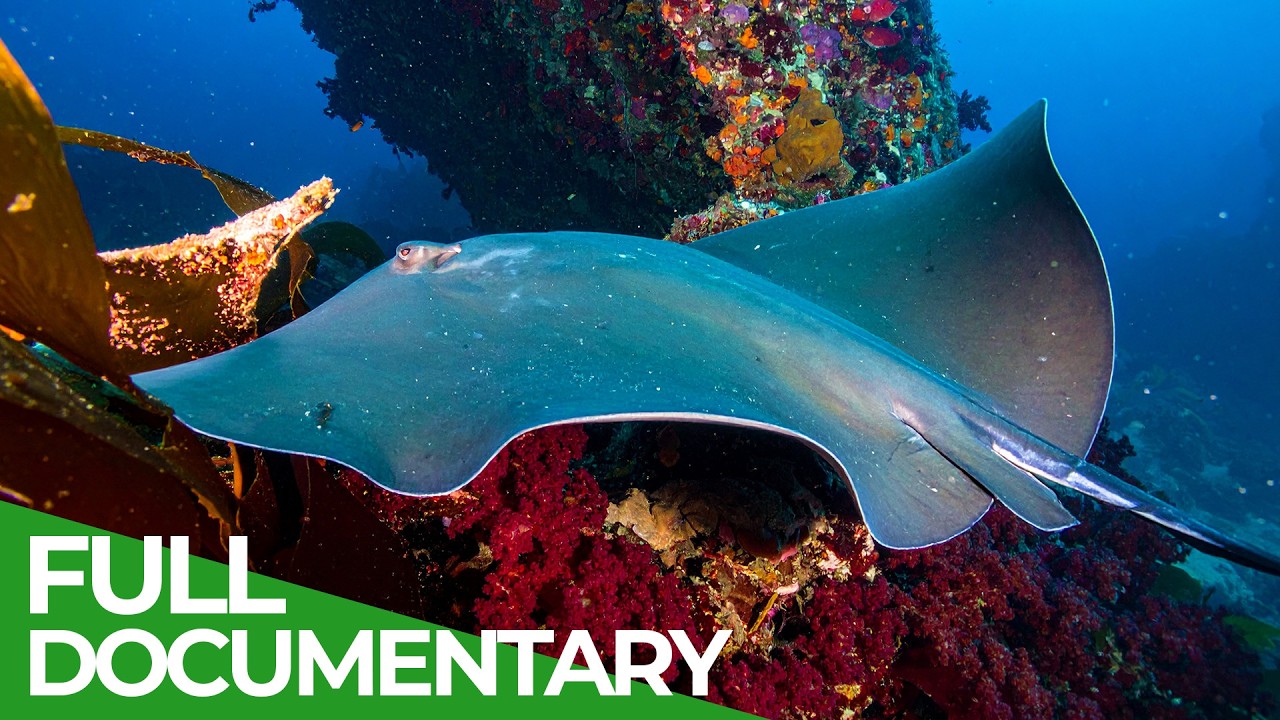
The Big Blue - Ocean Stories from Down Under | Full Series | Free Documentary Nature Our Big Blue Backyard is a new blue-chip series that dives deep into the seas to discover stunning stories of New Zealand’s native ocean animals. Six epic marine environments - each hosting a neighbourhood of marine animals living out their daily dramas. Our Big Blue Backyard is a new blue-chip series that dives deep into the seas to discover stunning stories of New Zealand’s native ocean animals. The series travels south to north, exploring six very special environments: 1. It’s the great white shark versus little blue penguins in the southern oasis of Stewart Island; 2. A fur-seal summer off New Zealand’s Wild West Coast; 3. A day out with the athletic Dusky Dolphins of Kaikoura; 4. quality time with the big old snapper and crayfish of Goat Island; 5. Drama in the egg nurseries of the stunning Poor Knights Islands as parents try to protect their young, and 6. Predator versus prey as surfing Orcas travel the golden harbours of Northland, searching for their stingray victims. Each episode is structured around an ocean “neighbourhood” and features the colourful and varied inhabitants as they interact in their unique locations. The range and behaviours of these species in such close proximity are fascinating; from the giant to the tiny and the acrobatic to the rock scrapers - there is plenty of action in these aquatic communities. Orcas and mud crabs, seals and crayfish play out their lives as close neighbours, and their stories weave together to reveal entertaining animal dramas.
Starring Rosanna Arquette, Jean-Marc Barr, Jean Reno
Dir. Luc Besson
The Big Blue

The inside story of the AI breakthrough that won a Nobel Prize. -- The Thinking Game takes you on a journey into the heart of leading AI lab DeepMind, capturing a team striving to unravel the mysteries of intelligence and life itself. Filmed over five years by the award winning team behind AlphaGo, the documentary examines how DeepMind co-founder Demis Hassabis’s extraordinary beginnings shaped his lifelong pursuit of artificial general intelligence. It chronicles the rigorous process of scientific discovery, documenting how the team moved from mastering complex strategy games to solving the 50-year-old "protein folding problem" with AlphaFold - a breakthrough that would win a Nobel Prize. Following its world premiere at the Tribeca Festival and a successful international tour, the film is now available here to watch for free. Interested in hosting a screening of The Thinking Game for your classroom, community, or workplace? Visit: ___ Director Greg Kohs Producer Gary Krieg Executive Producers Tom Dore, Jonathan Fildes Co-Producer Greg Kohs Editor Steve Sander Cinematographer Greg Kohs Composer Dan Deacon ___ 🎬 Want more? Watch the film that started it all - the historic game between Lee Sedol and AlphaGo:
Starring Demis Hassabis, Eleanor Maguire, Shane Legg
Dir. Greg Kohs
The Thinking Game

No-Go Zones - World’s Toughest Places - Seven Mile Road in Detroit, USA No-Go Zones - Khayelitsha, South Africa: For years, Detroit has been considered one of the most dangerous cities in the USA – and especially infamous is Seven Mile Road. This area is so tough that even the police only dare tread during the day. Ruled by the Seven Mile Bloods. One of the most notorious gangs in the city. Drug dealers, hustlers, killers and thieves – prepared to do whatever it takes to defend their territory. For over ten years gang leader Money controls the drug trade with an iron fist. A bloody territorial war keeps the gang in turmoil. To keep their rivals in check, boss Money needs a steady flow of new weapons. Only with the requisite firepower can they continue to dominate their territory and the other gangs – because the touch-paper might light at any moment. The violent crime rate in Detroit is five times higher than the rest of the country. In two thousand eighteen, over thirteen thousand crimes were reported, many more occurred. Seven Mile in particular is the front line for the bloody territorial battles that brutally define this no-go zone. For the police, every assignment is a risk, which is why bounty hunters are often used to go after criminals. A special unit of bounty hunters prepares for their next assignment on the outskirts of downtown. Tommy Depung leads the unit. So far, he’s arrested over twenty-five hundred criminals. Together with his team, they´re following a hot tip about a wanted drug and weapons dealer, and it’s taking them straight into the no-go zone… ▬▬▬▬▬▬▬▬▬
No-Go Zones - World s Toughest Places

Based on the acclaimed book of the same name by Dr. Robin R. Means Coleman, HORROR NOIRE takes a critical look at a century of genre films that by turns utilized, caricatured, exploited, sidelined, and embraced both black filmmakers and black audiences. Featuring interviews with Ernest Dickerson (Bones), Rusty Cundieff (Tales from the Hood), Jordan Peele (Us), Tina Mabry (Mississippi Damned), Tony Todd (Candyman), Paula Jai Parker (Tales from the Hood), Tananarive Due (My Soul to Keep), and Dr. Robin R. Means Coleman. ===================================
Noire - Trailer
Directed by . After 7 years on Netflix, MINIMALISM, starring , is now on YouTube. Listen to our podcast: . Download our FREE MINIMALIST RULEBOOK: MINIMALISM: A DOCUMENTARY ABOUT THE IMPORTANT THINGS examines the simple lives of minimalists from all walks of life–families, entrepreneurs, architects, artists, journalists, scientists, and even a former Wall Street broker—all of whom are living meaningfully with less. Start your minimalism journey: Watch ' second documentary, the Emmy-nominated Netflix Original LESS IS NOW, also directed by : FOLLOW THE MINIMALISTS: Instagram: TikTok: Twitter: Facebook: Patreon: Blog:
MINIMALISM: Netflix Documentary

Siberia. Endless vastness – arctic temperatures. Even farther East than Japan and 5 000 kilometres north of Vladivostok lies Yakutia, the coldest republic of Russia. Yakutsk is the capital of the Yakutia republic and is located about 5100 kilometres east of Moscow. In the midst of it: Oimjakon. With its 500 residents the coldest inhabited place on earth. This village lies in a mountain valley on the upper reaches of the banks of the Indgirka River. One of the major reasons for the freezing temperatures is the great distance from the Atlantic Ocean and the humidity that the Ocean provides to a major part of the Northern Hemisphere. Masses of mountains shield Siberia against the warm air from the west and south, while in the opposite direction, the door to the Artic stands wide open. Thus in the winter, cold masses of air expand into the Siberian landscape completely unrestricted. The average temperature in winter: Minus 40° Celsius. The children of the Siberian Oimjakon have the world`s coldest way to school. The extreme living conditions are completely normal for the residents of Oymyakon. This is also true for the Tariks family and their son Aljosha. He is 8 years old. The children of his age group are only excused from attending school on account of the cold at temperatures below minus 54° degrees. Even before his departure for school Aljosha feels the grim cold. Lacking running water the house also has no bathroom. So Aljosha alredy has to go outside – to the unheated outside earth closet in the garden. Sascha’s mother cooks tea. In order to do so, she must go to outside to the front of the house, which is made of wood- as all houses in Oymyakon. Due to the great temperature differences here, concrete walls would soon crack and be destroyed. In the short summers, it can get quite warm in Oymyakon. In front of the wooden house the ice blocks are stored. The next-door farmer had cut out of the frozen river for them. There is no running water in the Pole of Cold, with temperatures dropping to -65 degrees Celsius; no pipe work has a chance. Aljoshas mother puts the ice in the pot and cooks some tea for her son. Like every day, Aljosha must get ready to go to school. Like the majority of the other students, Sascha wears for the most part his traditional dress. The clothing prescribes to the onion-peel principle in order to protect the students from the Artic temperatures. His mother Irina has heated up the living room to 20° degrees. So when Aljosha opens the front door it is 70° degrees colder – every day life in Oimjakon. As soon as the children open the dormitory’s double doors, the icy cold brutally grabs hold of them. Within less than one second their nostrils become frozen. Unlike the students in other parts of the world, the children from Oymyakon are seldom playful but instead very concentrated on their way to school. With quick steps, they travel in groups, attempting to put the 2 kilometer route behind them as quickly as possible. There are no signs of snow ball fights. The don’t spend a second of time watching the cows, which are kept up to nine months of the year in their stalls, and are now coincidentally being lead out of the barn for a drink. Even though the cows are wearing some sort of special “bras” which protect their udders from freezing. Once in school building, Aljosha and the other students remove many of their layers of clothing, and get going with the school lessons. For the majority of them, a welcome diversion from the coldest inhabited town on the earth.
Most Dangerous Ways To School

Meet the wealthy elite of the Gilded Age — and the struggling workers who challenged them. THE GILDED AGE presents a compelling and complex story of one of the most convulsive and transformative eras in American history. In the closing decades of the nineteenth century, the U.S. population doubled in the span of a single generation, national wealth expanded, and two classes rose simultaneously, separated by a gulf of experience and circumstance that was unprecedented in American life. Official Website: | © 2018 WGBH Educational Foundation This program is made possible by viewers like you. 💙 👉 Support your local PBS station: 👉 Donate directly to American Experience:
The Gilded Age

Most Dangerous Ways To School - Bolivia Most Dangerous Ways To School - Vietnam: The Yungas Valley in Bolivia: a unique landscape, where the Andes Mountains meet the Amazon Rain Forest. In this remote section of one of the poorest countries in South America, children have a very long and incredible dangerous walk to school ahead of them. All for one goal: education – for a better life. Seven-year-old Elmer wants to become an engineer and to build his own house, far away from the remote village. But his only way to school leads over a ravine more than 650 feet deep and about 1000 feet long: a kind of homemade zip-line. He has to entrust his live on a rusty iron pulley and a worn plastic bag. On the other side of the valley, on the summit of the mountain range, is where the sisters Helen and Mariela live. Isolated, and in the heart of the jungle. Of all the children who attend the school, the sisters live furthest away. Fear, hunger, and exhaustion are their constant companions. For them, education the key to a new, better world. And that’s why they run great risks every day in pursuit of it. All this is more than just a walk to school – It is a test in the vast jungle. Throughout this journey they all have only one goal in mind: to ultimately find a job in a city and lead a better life. __________________________________________________________
Most Dangerous Ways To School

Exceptional Engineering - Mega Diesel Engine | Engineering Documentary Build your very own engine: Best Engineering Documentaries: Mega Diesel Engine made in germany. MTU (Engine and Turbine Union Friedrichshafen) is a brand of Rolls-Royce Power Systems. Their propulsion systems and large diesel engines, for example, neatly heat ships, heavy and military vehicles or railways. Not infrequently bring such drives namely achievements of up to 12,000 hp. The mega diesel engines are manufactured in the idyllic Friedrichshafen on Lake Constance, but the engines "Made in Germany" have long been used worldwide. __________________________________________________________
Mega Diesel Engine
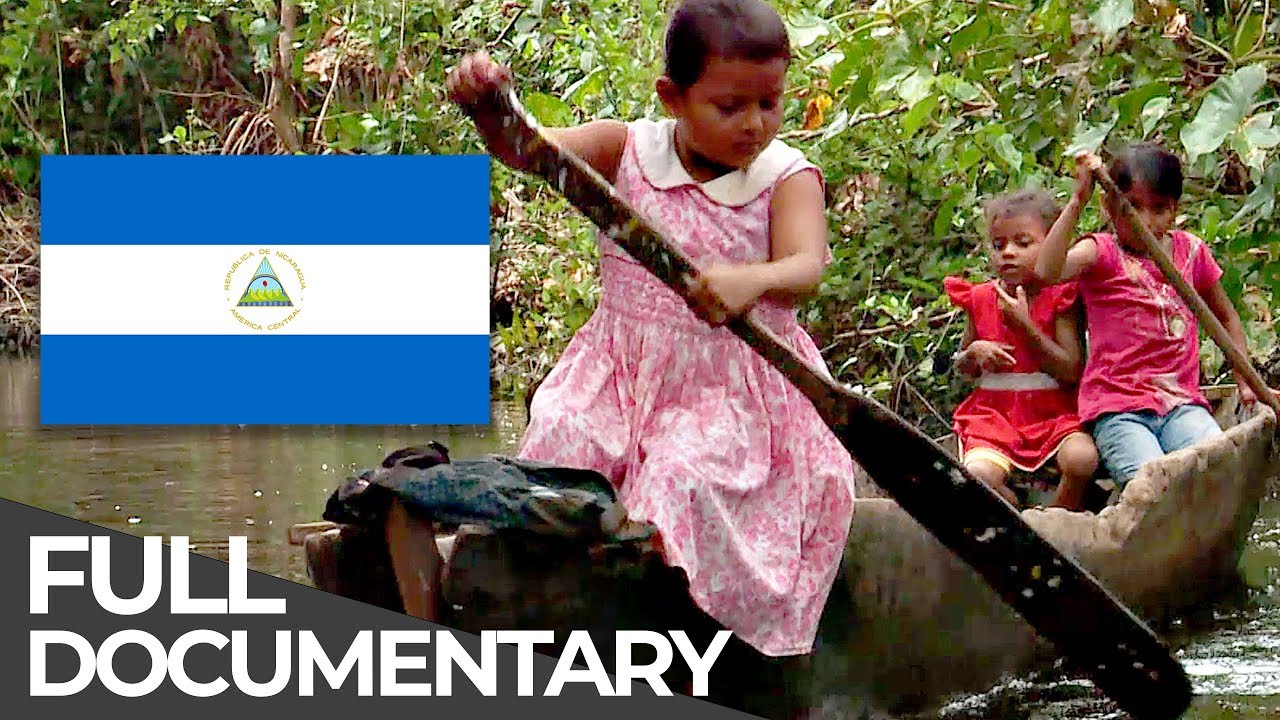
Every morning, the three sisters Julia, Yulissa and Kenya climb into their dugout in order to row to school. They live on the east coast of Nicaragua, one of the world’s poorest countries, and the youngest of them has just turned five; the oldest is nine. They row across the Rio Escondido. Not only is it one of the largest rivers in the country, it is simultaneously one of the most dangerous routes to school. While they have to watch out for snakes lurking in the trees over the river, the three sisters also struggle against the current and must ensure the dugout does not fill up with water - because it has multiples holes and could sink at any minute. Other classmates do not necessarily have it easier, because they live far from the river, and their journey to school takes them through the deep jungle. One of these classmates is 11-year-old Greyven. His daily trip takes him through the so-called ‘snake field’, in which coral snakes and the infamous boa constrictor reside. On the way to school, the rain drives the snakes from the empty coconuts on the ground; on the way back the afternoon heat, which is over 35 degrees, means that they are lively and belligerent. The daily journey – ashore and to water – to San Mariano’s small village school is an adventure almost unimaginable to us. Every time they undertake this trip, the children expose themselves to life-threatening dangers, all for the chance to have a better future.
Most Dangerous Ways To School

FRONTLINE tells the inside story of the U.S. government’s massive and controversial secret surveillance program that began in the wake of September 11 -- and the lengths they went to trying to keep it hidden from the public. (Aired 2014) This journalism is made possible by viewers like you. Support your local PBS station here: From the investigative team behind FRONTLINE’s award-winning “Money, Power & Wall Street,” comes the definitive history of domestic surveillance in a post-9/11 world. In part one of this two part series, FRONTLINE filmmaker Michael Kirk pieces together the secret political history of “The Program,” which began in the wake of Sept. 11 and continues today — even after the revelations of its existence by Edward Snowden. Love FRONTLINE? Find us on the PBS Video App where there are more than 300 FRONTLINE documentaries available for you to watch any time:
United States of Secrets Part One

World’s Most Dangerous Roads | Philippines' Serpentines (2014) World’s Most Dangerous Roads - China - The Sichuan-Tibet Highway: The Halsema Highway, situated on the island Luzon, leads right through the Philippine jungle with its frequent fog and heavy rainfalls. Every trip on this so-called road is an adventure and highly dangerous. We accompany a bus driver and a taxi driver on their challenging trip across the mountains. ▬▬▬▬▬▬▬▬▬